At 3,014 metres above sea level, where the peaks of the Greater Caucasus command every horizon and the air carries the particular silence of altitude, AltiHut does something quietly radical: it arrives without imposing. Georgia’s first sustainable high-altitude destination was never meant to be a landmark in the conventional sense. It was meant to disappear – into its terrain, into its purpose, into the silence it was built to offer.
Conceived by the Tbilisi-based studio STIPFOLD and realised through a logistical philosophy as rigorous as its aesthetics – every component helicopter-delivered, every watt of energy drawn from the sun – AltiHut has redefined what a mountain refuge can be. It is a place where hospitality and responsibility are not in tension but in quiet, deliberate conversation.
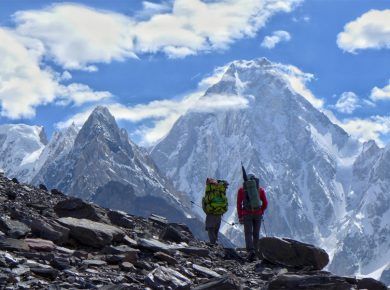
The Kazbegi region, dominated by the 5,047-metre summit of Mount Kazbek, is one of the most compelling high-altitude landscapes in the entire Caucasus. For generations, its glacial routes and soaring ridgelines have drawn climbers and trekkers – but infrastructure to support them responsibly was almost entirely absent. AltiHut emerged from that gap, not as a commercial proposition alone, but as an act of environmental stewardship.
The founders recognised that rising visitor numbers were placing the region’s fragile ecosystem under growing pressure, compounded by the near-total absence of waste management and shelter at altitude. Rather than waiting for the problem to deepen, they chose to pioneer a standard for all future development in the area. The result is a destination that functions simultaneously as a boutique mountain hotel, a base camp, a restaurant, and a living argument for sustainable tourism.
Every material was manufactured to be lightweight and durable, then delivered exclusively by helicopter to protect the mountain’s access routes. The facility operates entirely off-grid, powered by solar panels that harvest the same fierce high-altitude sunlight that defines the landscape around them. Waste protocols are strict. The footprint, in every sense, is deliberate and contained.
Building on this foundation, the new AltiHut Cottages introduce a more personal way to experience the mountain. Where the main hut is communal – a place of shared tables and shared views – the cottages are private and contemplative. Designed for families and small groups, each unit is a compressed world unto itself: a small room for children, a central living area, and an open mezzanine bedroom that faces the horizon without apology.
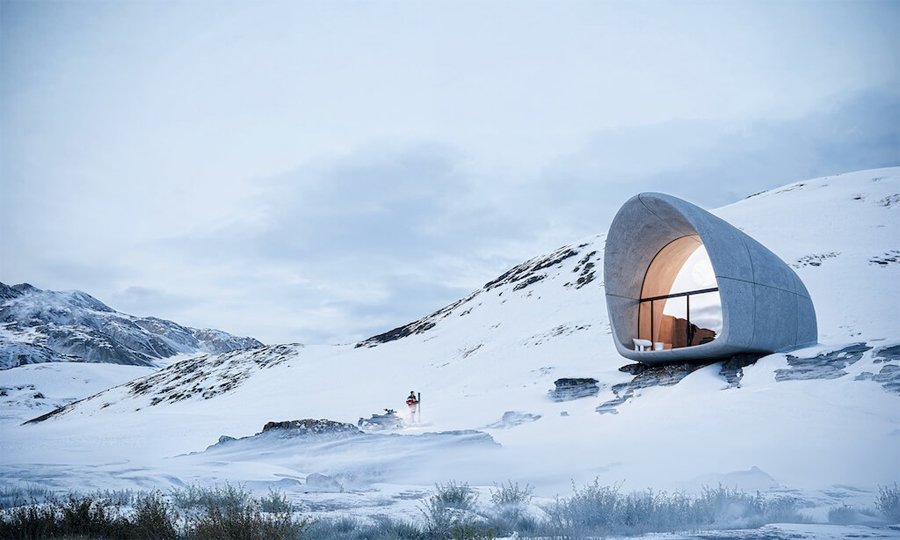
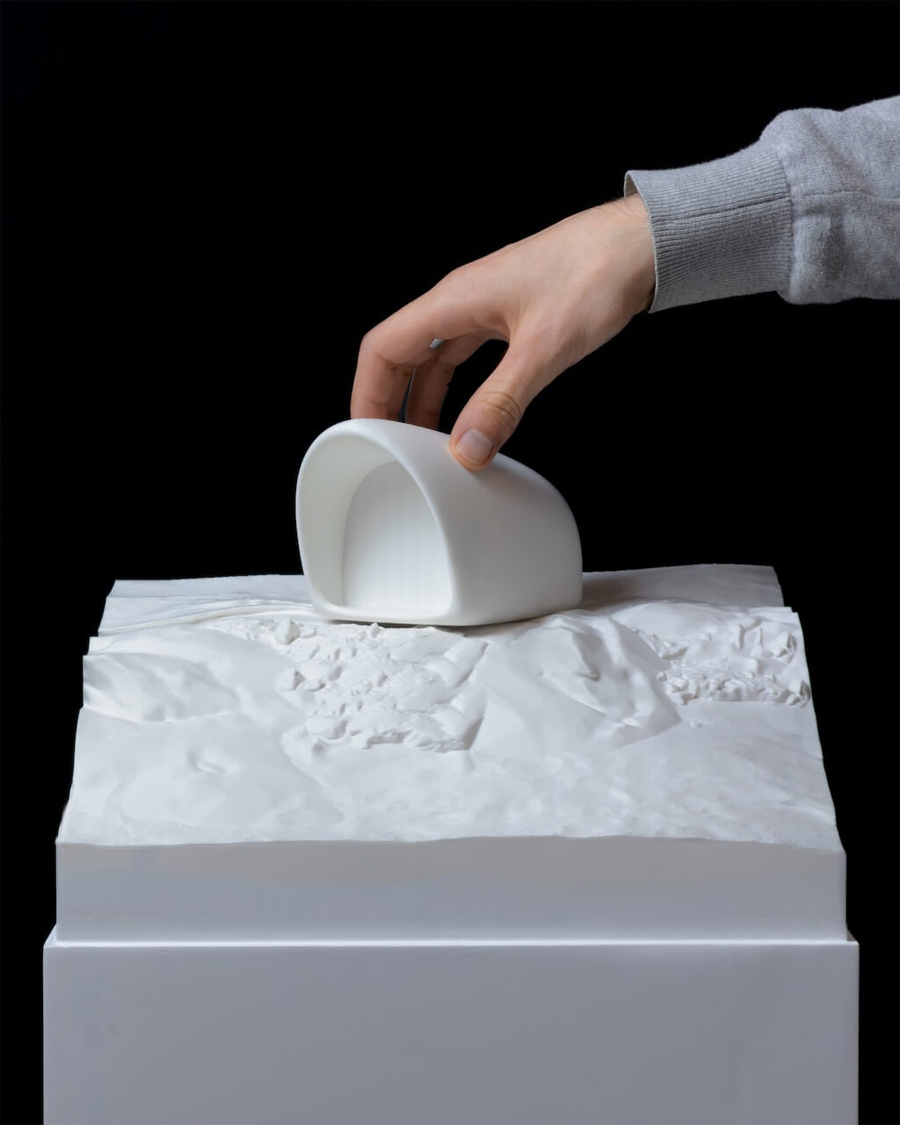
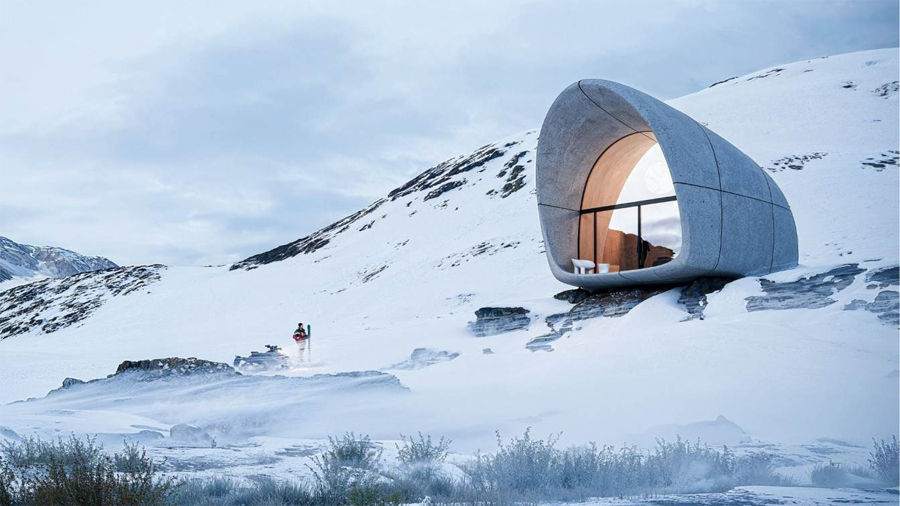
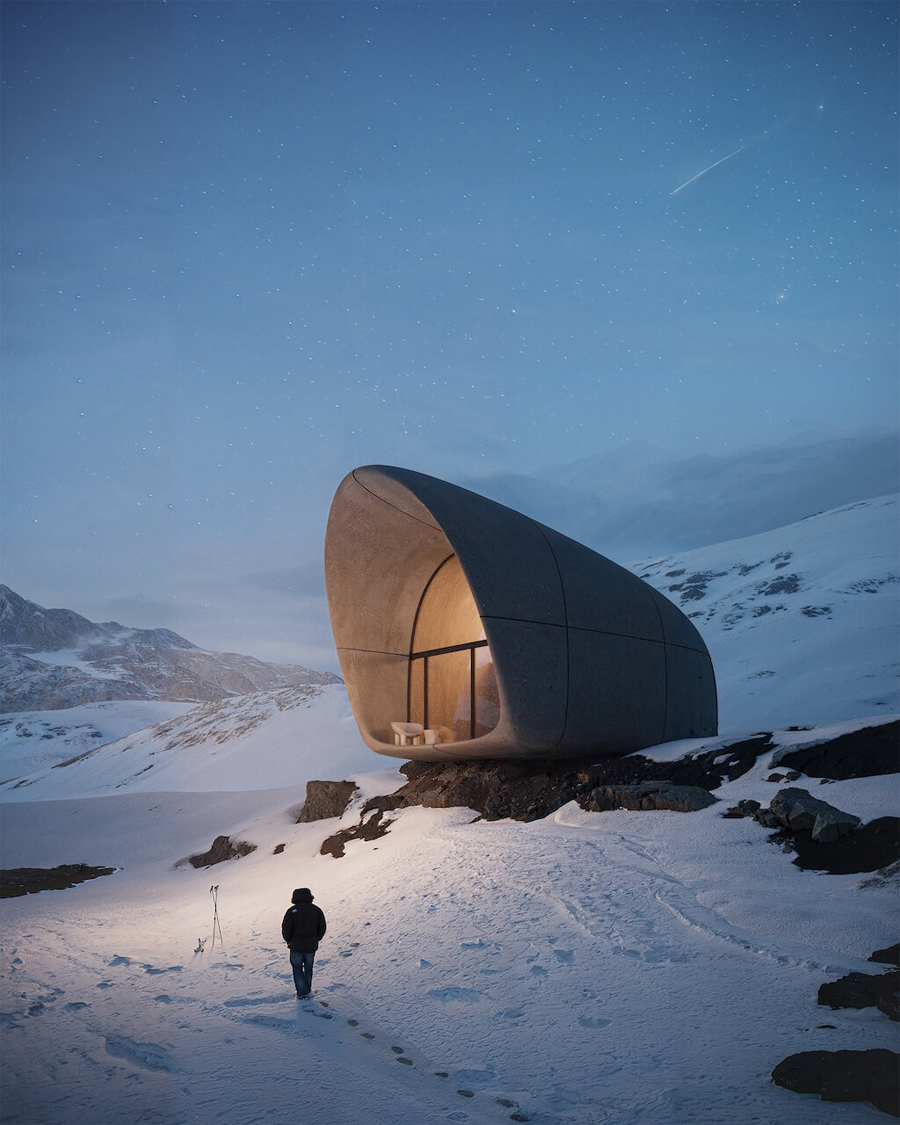
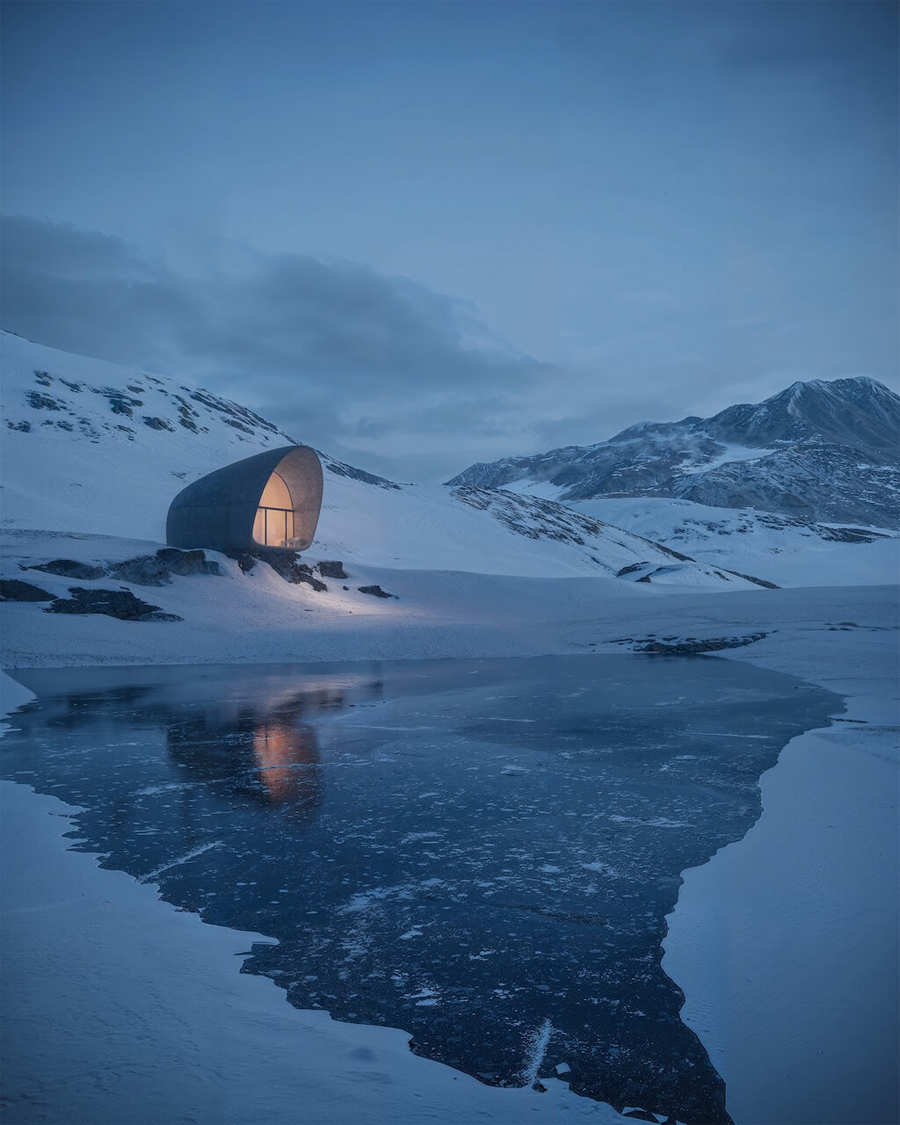
STIPFOLD’s design language is one of purity and restraint. The exterior is a continuous shell of fiber concrete, organic in form, shaped to echo the rounded profiles of glacially smoothed rock. This is not a building that announces itself. Over time, the fiber concrete will weather – absorbing mineral staining, picking up the pale colours of the terrain – until it becomes difficult to say where the mountain ends and the cottage begins. That ambiguity is entirely intentional.
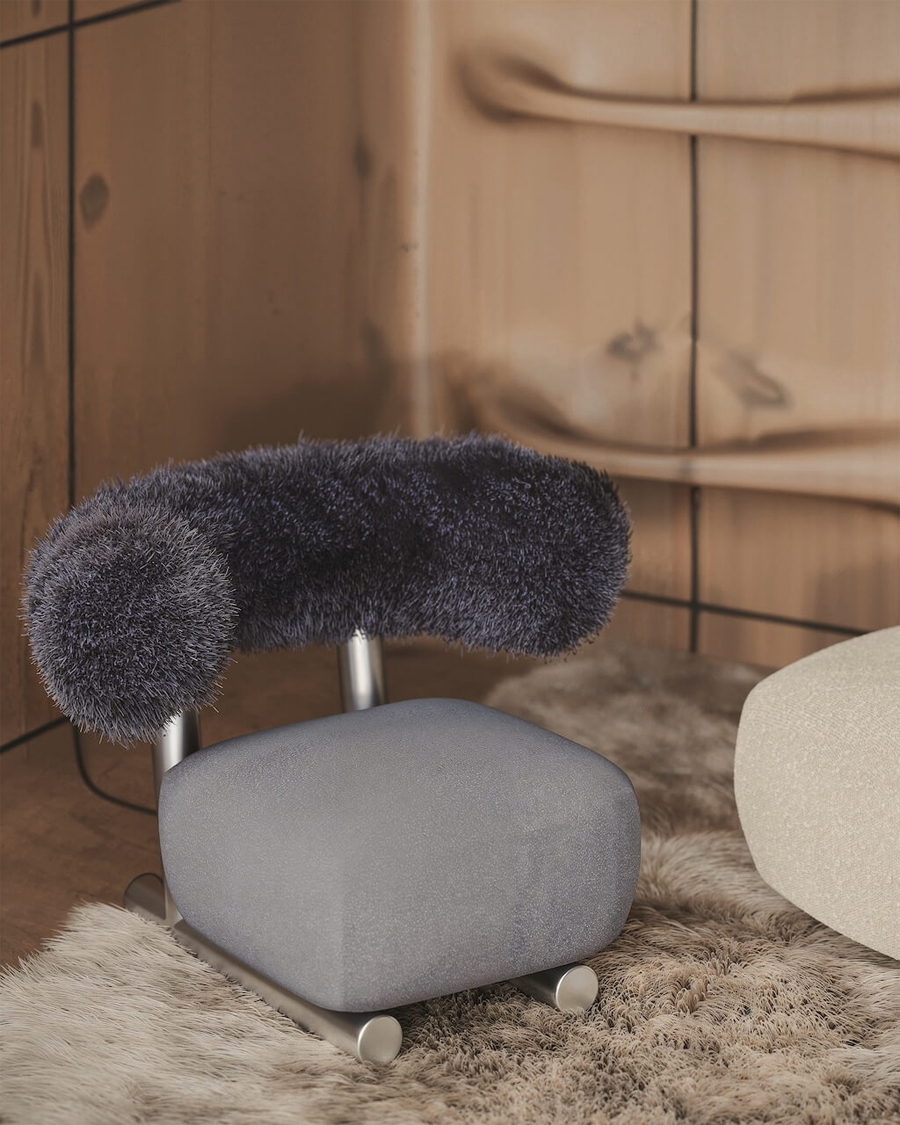
Inside, the material grammar shifts. Natural wood lines every surface, bringing warmth and texture into a space that could otherwise feel austere. The grain of the wood carries the memory of forest into a landscape that sits well above the tree line, creating an interior that feels simultaneously spare and deeply comforting. The largest architectural gesture is also the simplest: a vast glass opening that makes the surrounding landscape the primary element of the room. There are no paintings on these walls. The Caucasus provides its own.
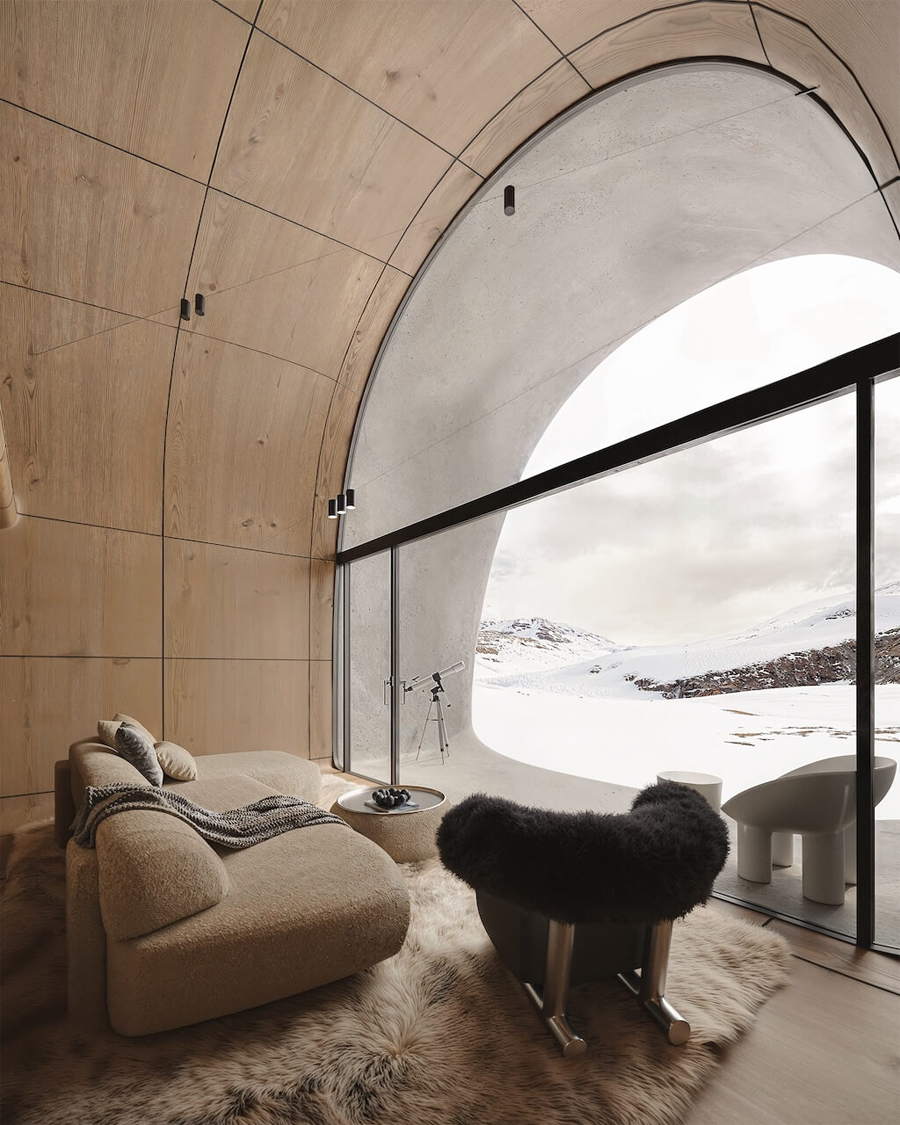
What STIPFOLD has achieved at AltiHut is something that architecture rarely manages at altitude: the complete subordination of the built object to its context. The cottages do not compete with the mountain. They create a threshold – a quiet interval between the traveller and the vastness beyond the glass – and then they step aside.
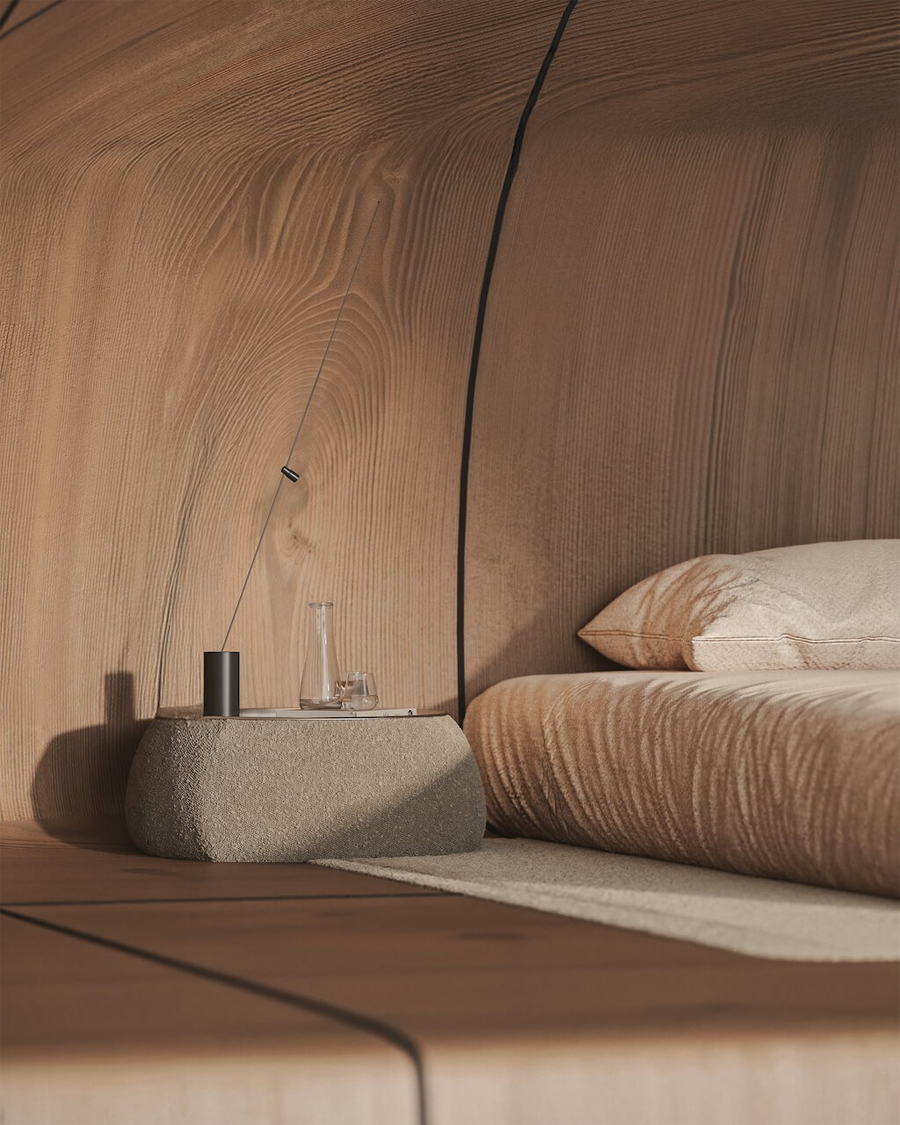
This restraint is not merely an aesthetic choice. It is an ethical one. In a region of extraordinary ecological sensitivity, where Kazbegi National Park protects some of the most biodiverse high-altitude terrain in the Caucasus, every design decision carries real weight. The choice to deliver materials by helicopter rather than road, to power the facility by sun rather than generator, to build with materials that age gracefully into the terrain rather than resist it – these decisions acknowledge the mountain’s primacy over the human presence within it.
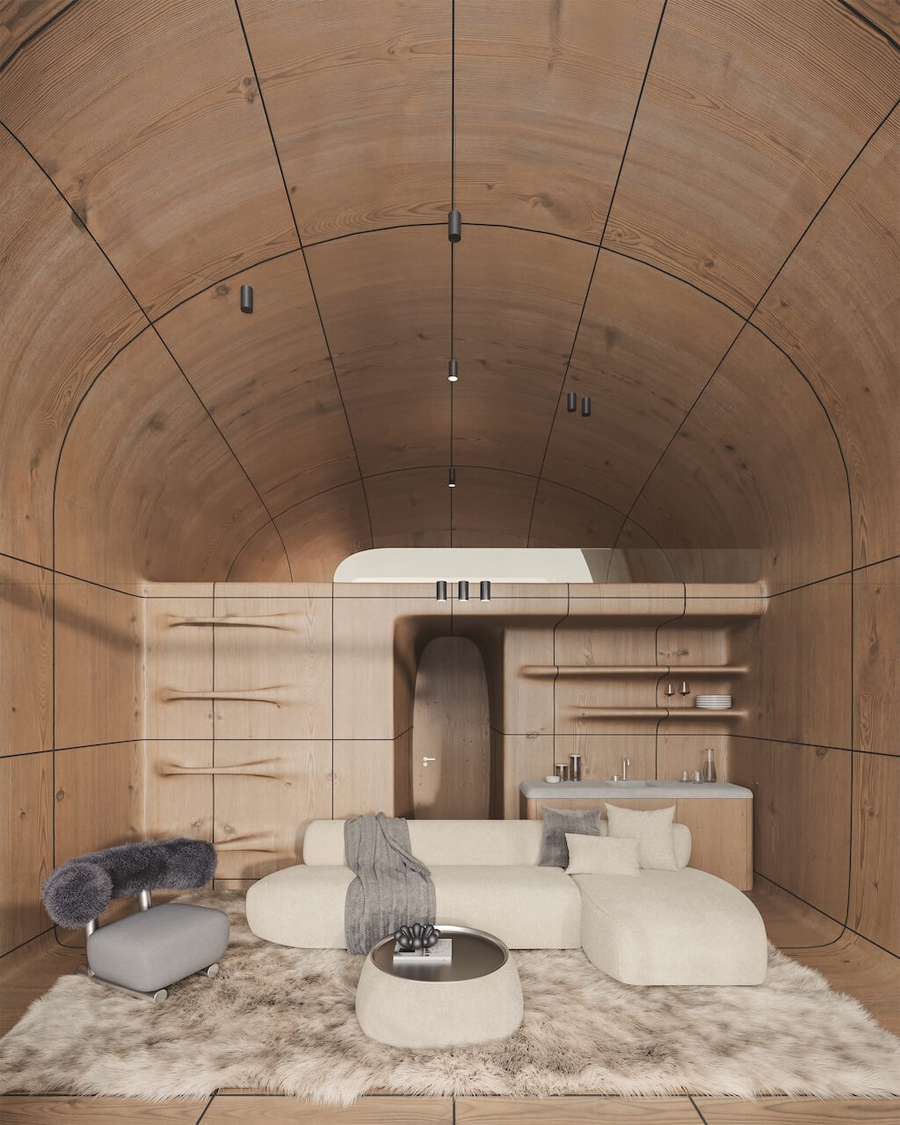
The result is a space that offers something increasingly rare: genuine silence, genuine clarity, and the sense that the architecture exists solely to frame an encounter with something far larger than itself. AltiHut does not ask the mountain to compete with the building. It asks the building to serve the mountain – and in doing so, it offers its guests something no amount of luxury alone can provide.
Georgia’s adventure tourism is undergoing a profound transformation. AltiHut stands at its centre – not as a monument to what has been built, but as a quiet argument for what building can mean when it begins with the question of what should be left untouched.