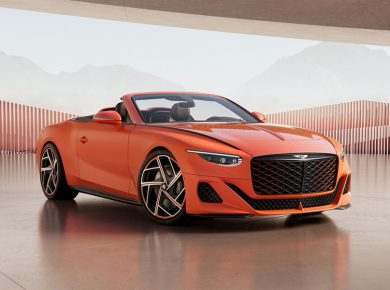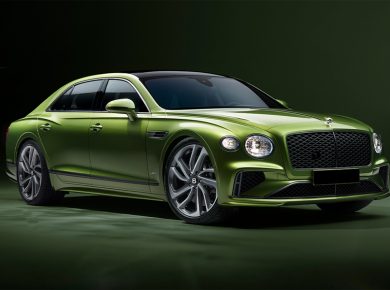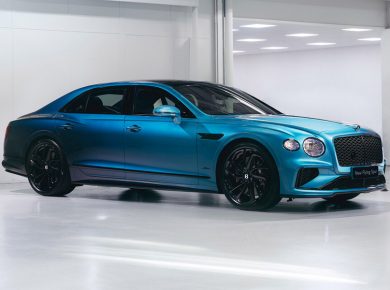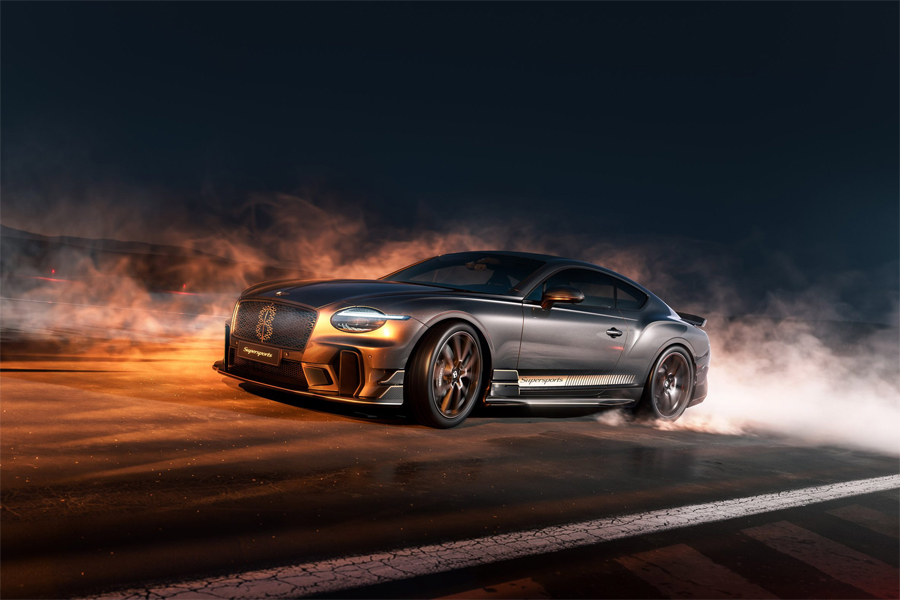
Bentley Motors has introduced a new two-seater Supersports that shifts the focus away from headline speed figures and places the driver at the very center of the experience. Built around lightweight construction, motorsport-inspired aerodynamics, and bespoke craftsmanship, this model marks the fourth Supersports in Bentley’s history and celebrates one hundred years since the brand’s first Super Sports car of 1925.
That original Bentley was groundbreaking for its time, becoming the company’s first vehicle to exceed 100 miles per hour thanks to its lightweight design. The Supersports name returned decades later in 2009 and again in 2017, each iteration pushing power and performance further. The latest version takes a different path. Rather than chasing records, Bentley chose to refine feel, balance, and engagement behind the wheel.
Bentley CEO Frank-Steffen Walliser describes the car as a statement of intent. According to him, the new Supersports represents a return to more extreme Bentleys that combine broad capability with genuine driver involvement, while still standing as bespoke pieces of automotive art. It also reflects the brand’s confidence in showing a bolder, more daring side.
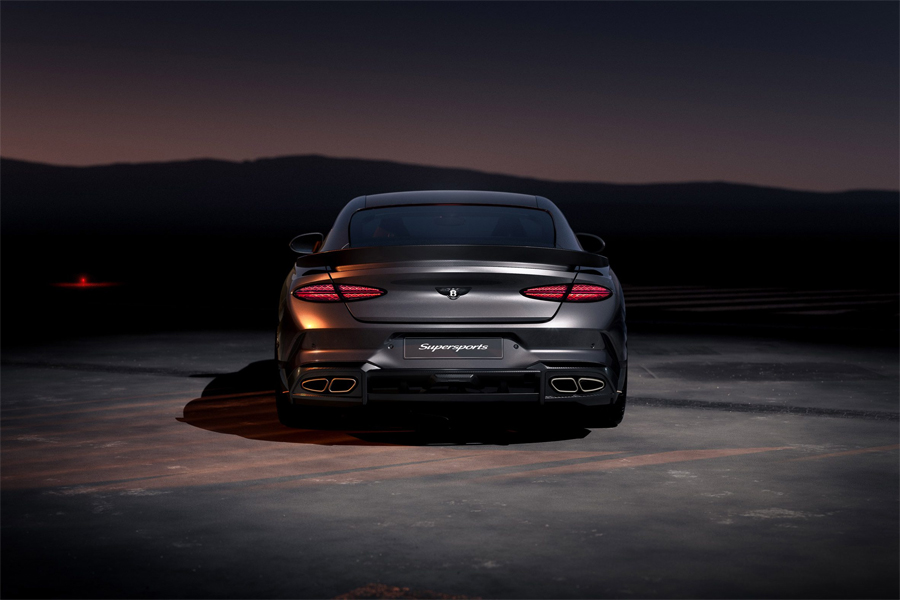
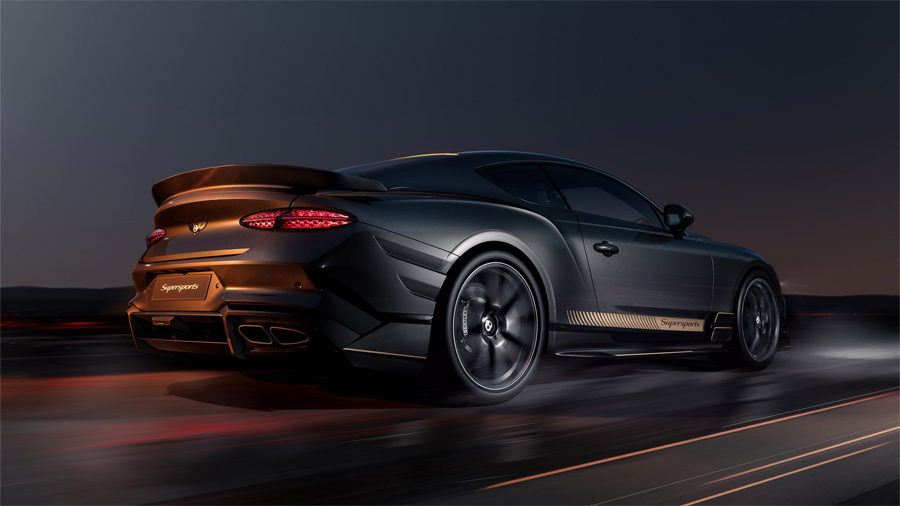
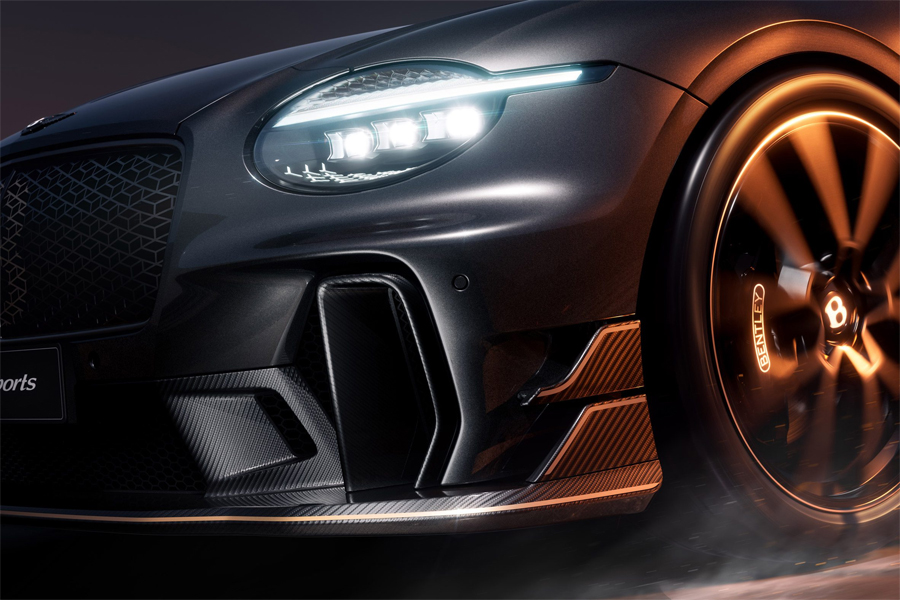
To achieve this focus, Bentley worked extensively on weight reduction and downforce. The car weighs under two tonnes and uses carbon fibre across key exterior components, including the front lower bumper with an integrated splitter, wing mirrors, dive planes, side sills, fender blades, rear diffuser, fixed rear wing, and even the roof panel. The carbon fibre roof lowers the center of gravity of the internal combustion engine-powered car, improving handling and stability.
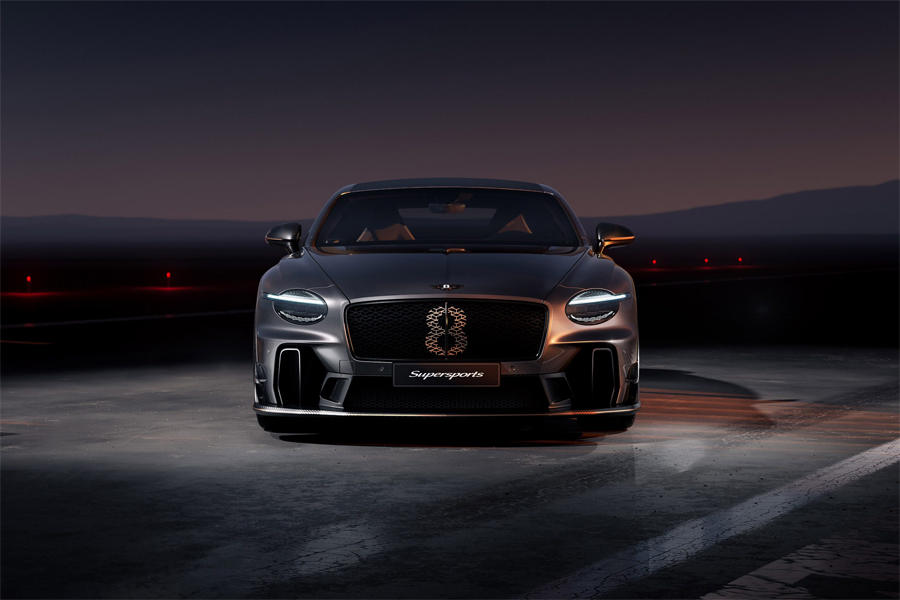
Aerodynamics play a central role in the design. A black mesh grille made from laser-cut aluminium sits above the front bumper, while the rear bumper integrates a diffuser shaped specifically for airflow management. Rear seats have been removed entirely and replaced with a precision-engineered carbon fibre rear tub. This decision helps make Supersports the lightest Bentley in 85 years and the model with the highest downforce the company has ever produced.
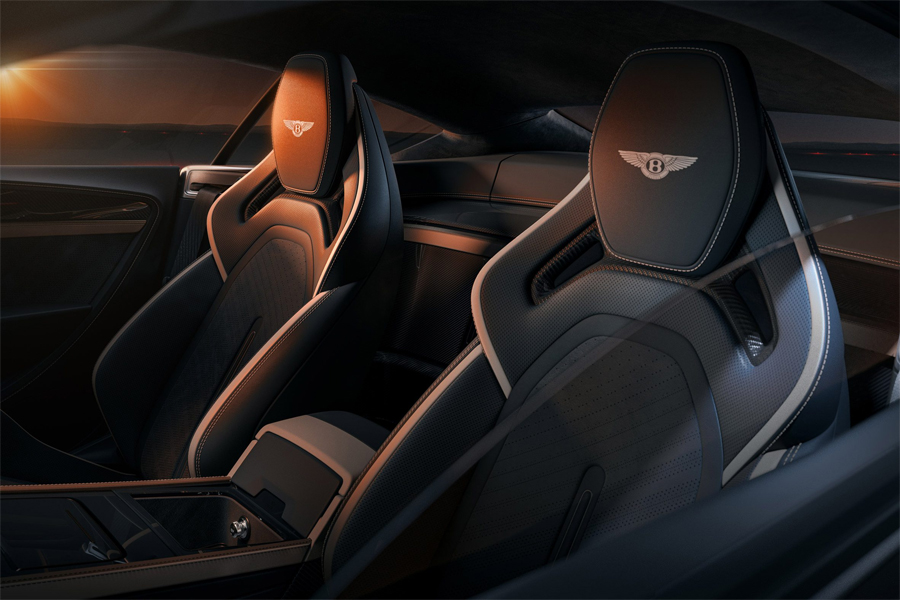
Inside, the motorsport influence becomes even more apparent. The interior is intentionally stripped back, with flowing curved surfaces and two low-mounted seats designed exclusively for Supersports. The seats use carbon fibre inserts, sculpted cushioning, and an 11-way electric adjustment system, balancing lightweight construction with everyday usability.
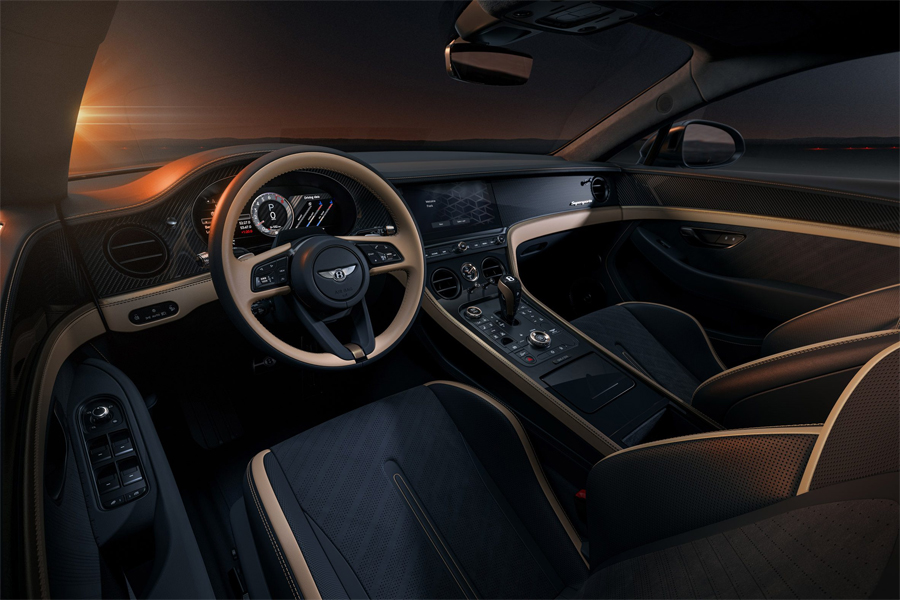
Despite the racing inspiration, Bentley has not abandoned its reputation for luxury. The cabin is trimmed in a refined mix of leather, carbon fibre, and Dinamica microfibre. Buyers can choose between duo-tone schemes, a single-color interior, or a distinctive tri-tone configuration developed specifically for this model. Bentley describes the interior as purposeful and precise, reinforcing the car’s singular mission of driver engagement.
Engineering details continue with forged 22-inch aluminium alloy wheels developed in collaboration with Manthey Racing, offered with two tyre options. A full-length titanium Akrapovič exhaust system adds both weight savings and character, while black carbon ceramic brakes handle stopping power.
Production will be limited to 500 individually numbered cars, all handcrafted at Bentley’s Crewe factory. Exterior personalization is extensive, with 24 gloss paint colors, nine satin finishes, five Design Theme patterns, and a wide range of bespoke options. The example shown features the Nightfall Design Theme, combining a grey gloss body with camel accents, striped side graphics, and a number eight displayed on the grille.
With its rarity, craftsmanship, and uncompromising focus on the person behind the wheel, the new Supersports comfortably positions itself among the most expensive cars not because of excess alone, but because of intent, heritage, and a carefully honed driving experience.