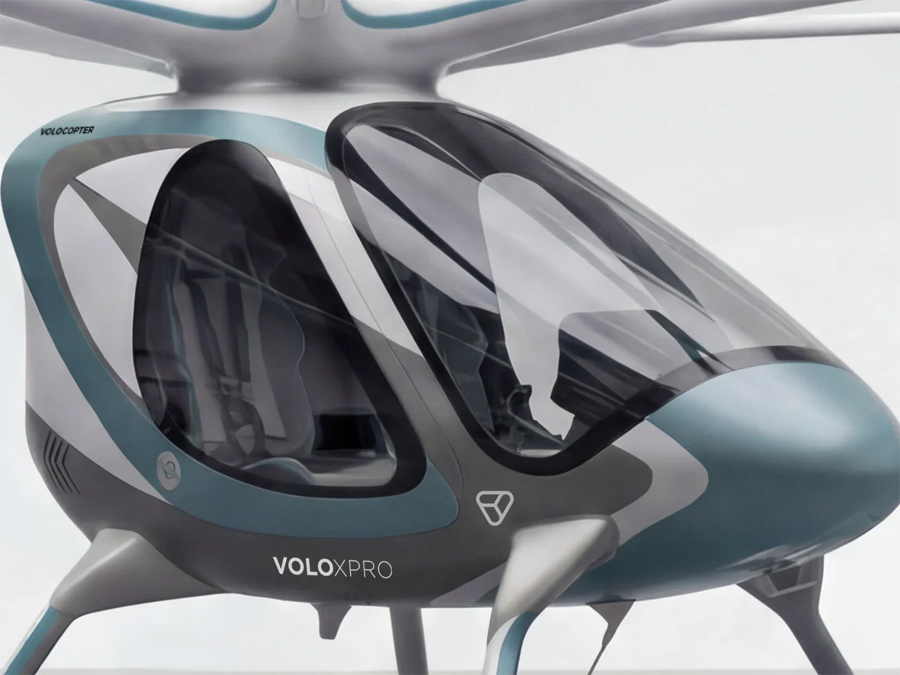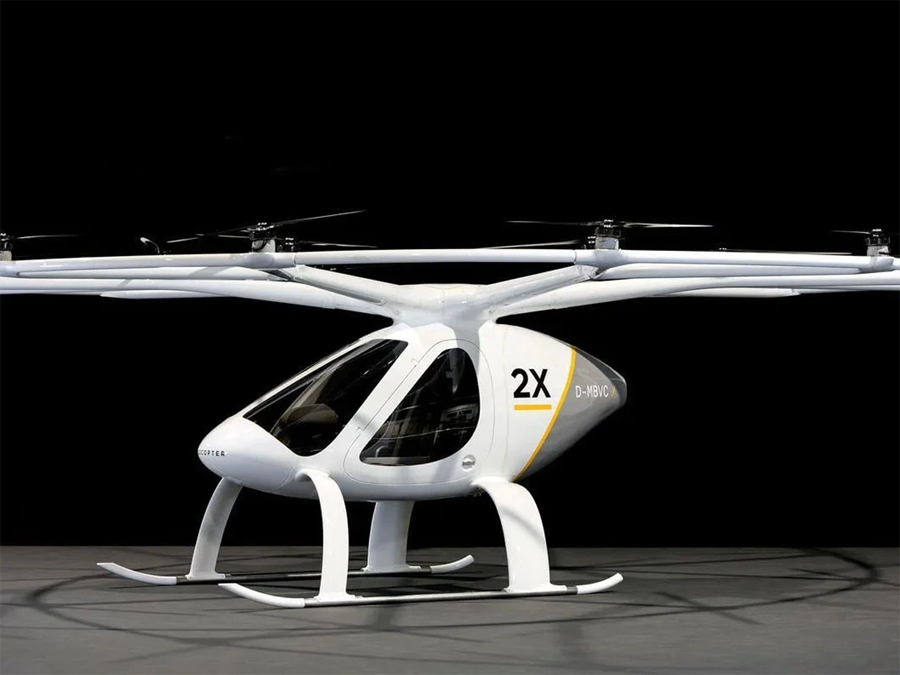
Few stories in aviation over the past several years have had as dramatic an arc as Volocopter’s. Once celebrated as one of Europe’s most promising flying taxi startups, the German eVTOL pioneer accumulated hundreds of millions in funding, completed high-profile test flights, and pursued commercial launches in cities like Paris and Singapore – before running headlong into the twin walls of slow aerospace certification and mounting cash burn. By 2024, the company had entered insolvency proceedings. In March 2025, it was acquired by Wanfeng Auto Holding Group, the Chinese automotive supplier that also owns Diamond Aircraft, for €10 million. The VoloXPro, unveiled this week at AERO Friedrichshafen, is the first meaningful sign of what comes next.
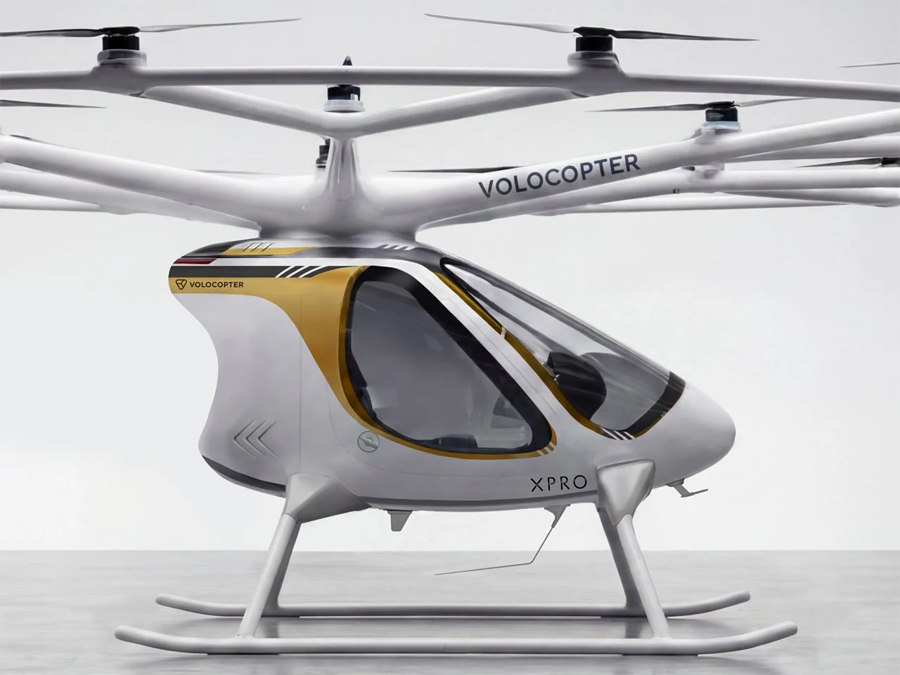
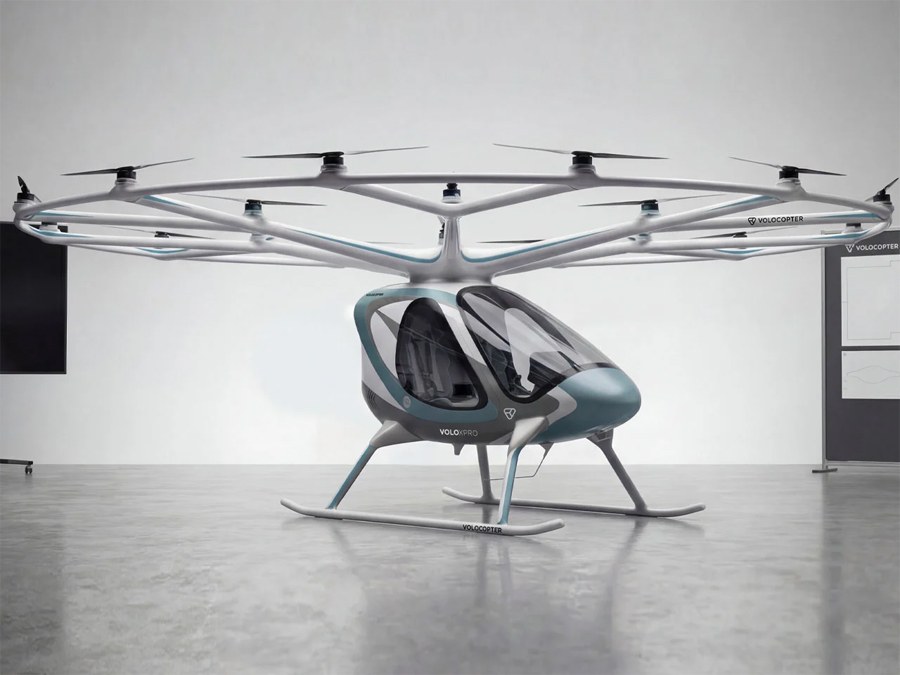
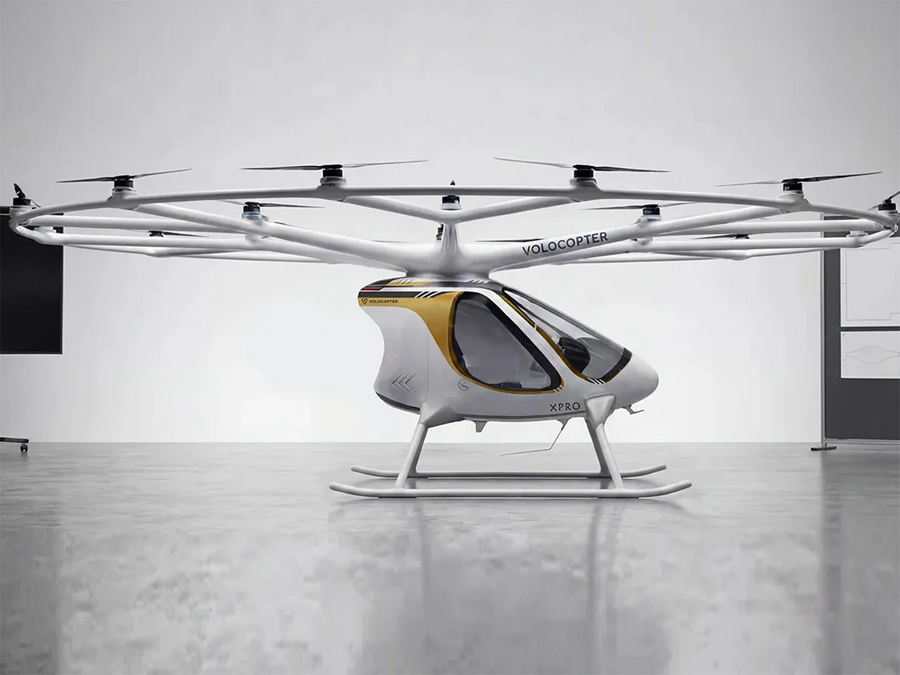
The aircraft is a two-seat, fully electric ultralight multicopter – a deliberate step back in scale from the more ambitious VoloCity air taxi that defined Volocopter’s earlier chapter, and a deliberate step forward in strategic clarity. Volocopter and Diamond Aircraft worked intensively on the development throughout 2025, modularizing their product portfolio, realigning the supply chain, and optimizing individual components. The result borrows proven architecture from the VoloCity while targeting a far broader and more accessible customer base.
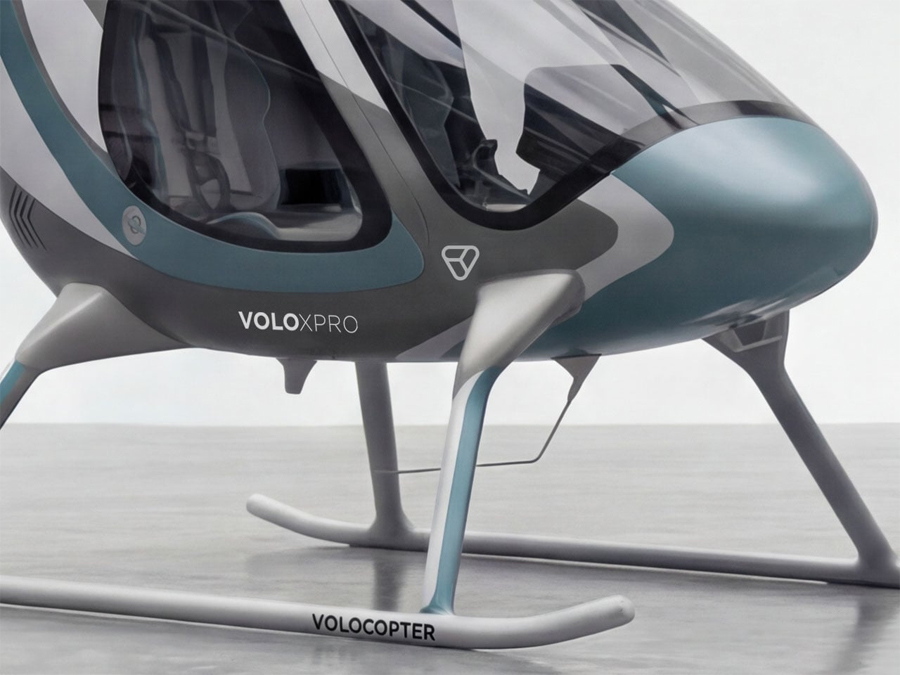
The specification is straightforward by design. The VoloXPro carries two people, runs on 18 rotors, cruises at 70 km/h, has a maximum range of 40 km, and a maximum take-off mass of 600 kg with a payload of 154 kg. That last figure – the 600 kg MTOM – is significant, as it places the aircraft within the ultralight classification in Germany, which simplifies and accelerates the path to regulatory approval. Volocopter expects to achieve ultralight certification in Germany by the end of 2026, alongside parallel approval processes in other European countries.
The shared components with the VoloCity are not an accident of budget or timeline. They are the strategy. The shared use of technical components between the VoloCity and VoloXPro, combined with ultralight certification, is designed to significantly reduce costs – and, crucially, to carry forward the safety validation work already done on the earlier platform. Volocopter describes the safety standard as comparable to commercial aviation, which it calls a first in Germany’s ultralight aircraft category.
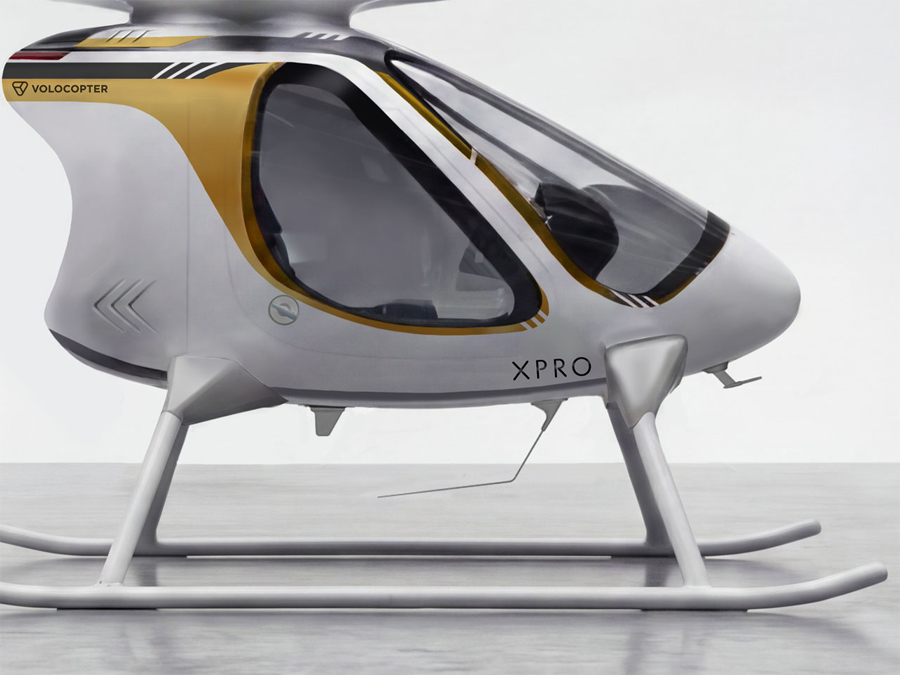
The modular platform concept is the other key to the VoloXPro’s commercial ambition. The aircraft can be configured across a wide range of variants – from single-stick control and minimalist cockpit options to high-end versions for professional operators, with optional features including a single-screen glass cockpit, collision warning systems, customizable exterior paintwork, fast charging, and various battery options. In Europe, the primary targets are flight schools, flying clubs, and sightseeing operators. Internationally, the aircraft is positioned for professional air taxi use.
Volocopter also anticipates a range increase of around 25 percent by 2027 through a new battery cell, with the modular design allowing for easy battery swapping. That upgrade path matters given that the current 40 km range is one of the more obvious constraints on the aircraft’s utility in an air taxi context.
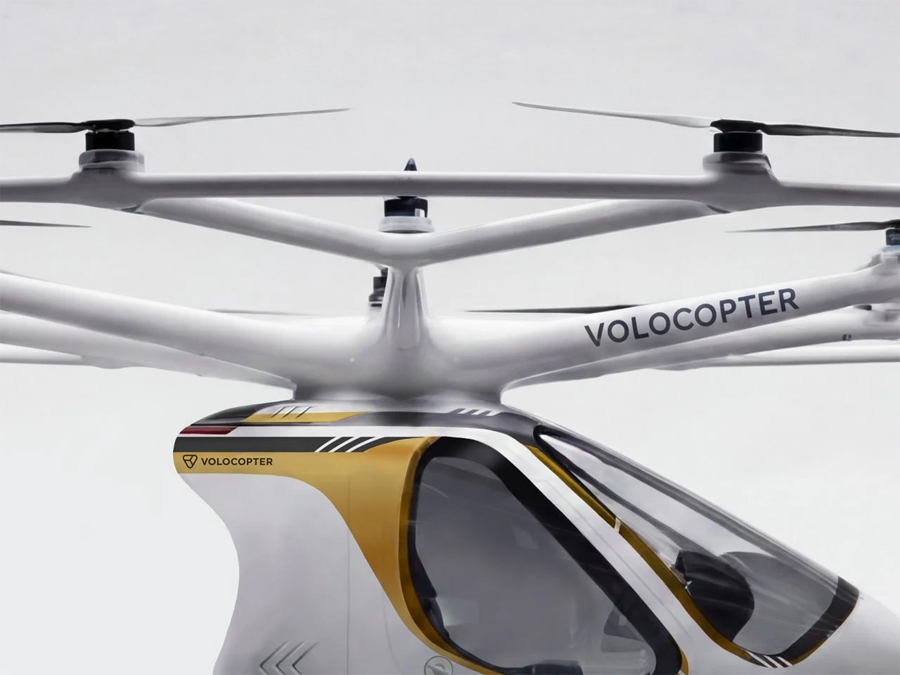
Marie Masson, Volocopter’s senior business development manager, framed the aircraft as the product of combining Diamond’s supply chain experience and type certification expertise with Volocopter’s pioneering knowledge of electric aircraft – and asking how to enter the market faster using both. The VoloXPro, in that sense, is less a grand reinvention and more a disciplined answer to the question that sank the first chapter: how do you build an eVTOL business that actually reaches customers?
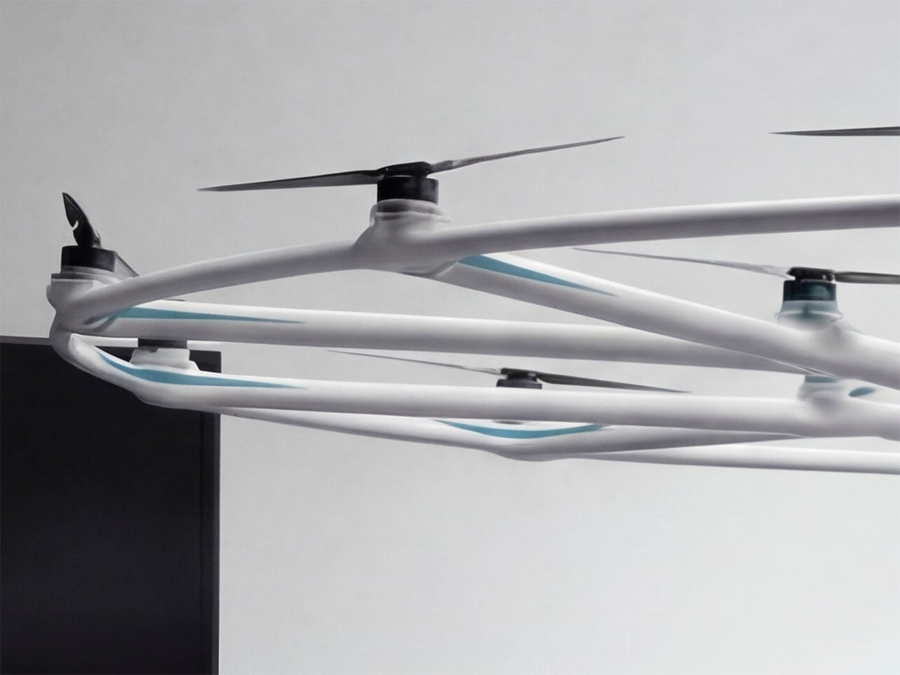
The answer, it seems, is to start smaller, smarter, and with a clearer line of sight to certification. Whether that approach proves sufficient will become clearer before the year is out.