For decades, spacesuit development has been driven almost entirely by engineering requirements. Comfort, mobility, thermal regulation, and survival have always taken priority over aesthetics. Yet as humanity prepares to return to the Moon through NASA’s Artemis program, one of the world’s most recognizable luxury fashion houses is helping redefine what astronauts will wear beyond Earth.
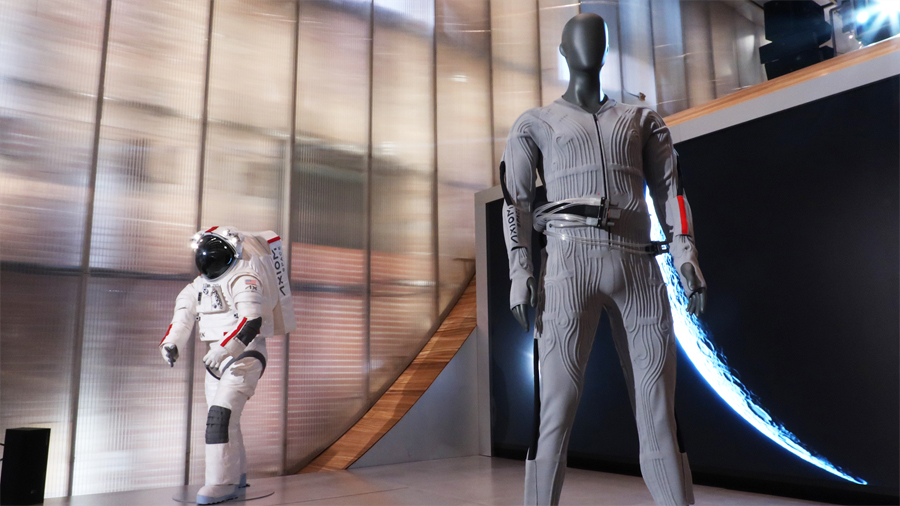
The latest example of this unusual partnership is the new Liquid Cooling and Ventilation Garment (LCVG), developed for Axiom Space’s next-generation AxEMU lunar spacesuit. Worn directly against the astronaut’s skin, the garment serves as a critical life-support layer that manages body temperature and air circulation during lunar surface operations.
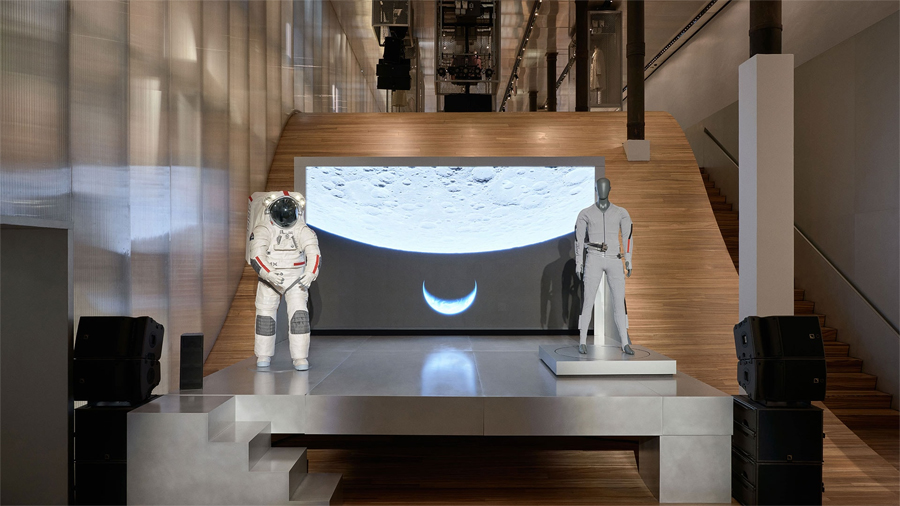
Spacewalks are physically demanding activities. Even in the vacuum of space, astronauts generate significant amounts of metabolic heat while moving, climbing, collecting samples, and operating equipment. Without an effective cooling system, body temperatures could quickly rise to dangerous levels.
The LCVG addresses this challenge through an intricate network of tubes woven throughout the garment. Chilled water circulates across major muscle groups, continuously drawing heat away from the body. At the same time, a separate ventilation system directs fresh oxygen across the astronaut’s face, helping remove exhaled carbon dioxide and maintaining breathable conditions inside the helmet.
While this technology has existed in various forms since the Apollo era, the latest version represents a significant evolution in both manufacturing and performance.
When NASA astronauts last walked on the Moon during the Apollo missions, the cooling garments beneath their spacesuits were largely assembled by hand. The process was labor-intensive and limited by the manufacturing technologies of the time.
For the Artemis era, Axiom Space turned to Prada to help modernize this essential component. Leveraging advanced textile engineering, digital modeling, and precision knitting technologies, Prada contributed expertise rarely associated with space exploration.
Instead of relying on traditional construction methods, engineers and designers used 3D modeling tools to optimize fit, comfort, and tube placement. Engineered knitting techniques allowed cooling channels and support structures to be integrated more efficiently into the garment, potentially improving flexibility and reducing pressure points during long-duration lunar excursions.
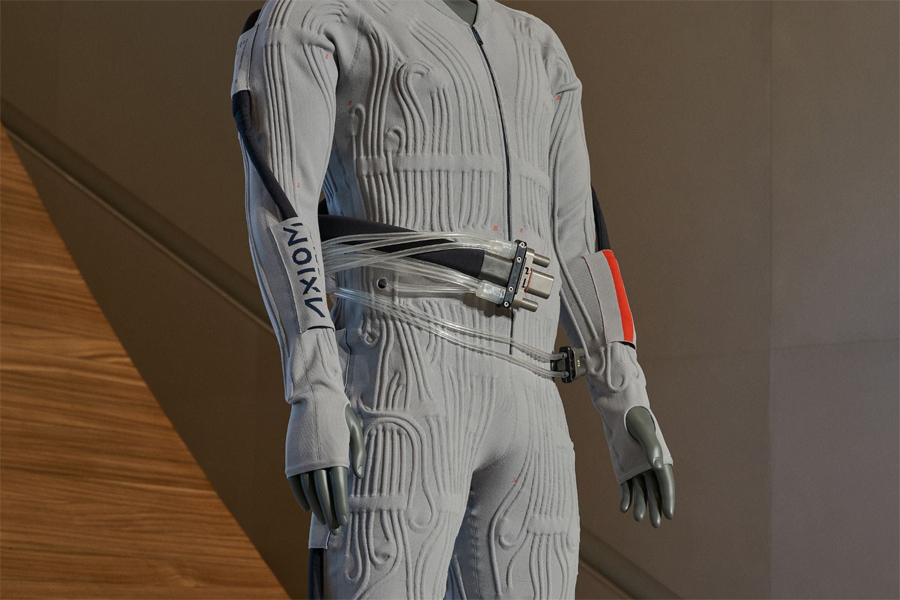
The new LCVG is designed to support lunar surface activities lasting up to eight hours. Such extended missions require not only comfort but also exceptional reliability.
To address this requirement, the cooling system incorporates a fully redundant architecture. If the primary cooling loop experiences a failure, a backup circuit can automatically maintain thermal regulation, providing an additional layer of safety for astronauts operating hundreds of thousands of kilometers from Earth.
This redundancy reflects the broader philosophy behind the AxEMU program, where mission-critical systems are designed with multiple safeguards to minimize risk during exploration activities.
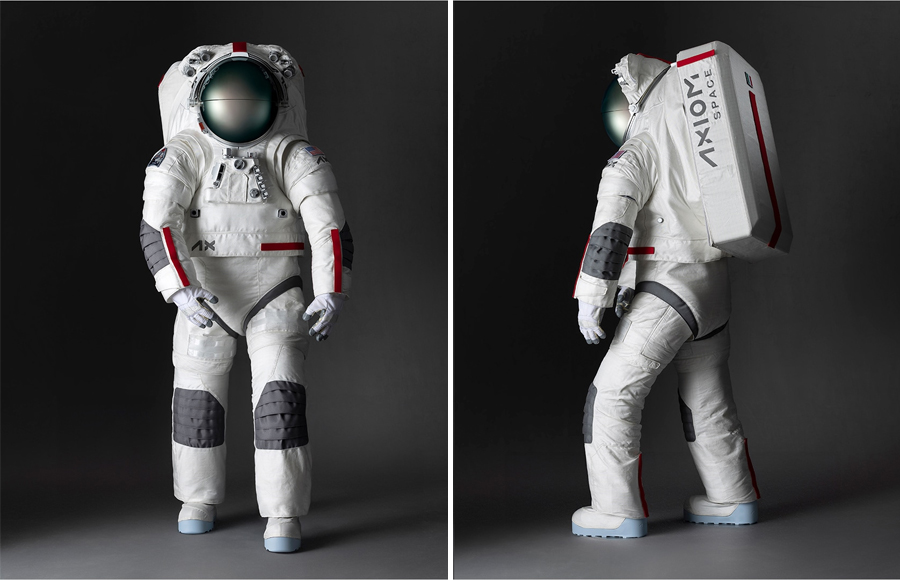
Prada’s involvement with Axiom Space began in 2024 when the Italian fashion house joined development efforts for the AxEMU spacesuit’s outer layer. That external shell must withstand some of the harshest conditions encountered by humans.
The lunar south pole, a key target for upcoming Artemis missions, presents extreme temperature variations. Sunlit regions can become intensely hot, while permanently shadowed areas remain exceptionally cold. The suit must also protect astronauts from abrasive lunar dust and micrometeoroid impacts.
Having contributed to the outer protective shell, Prada is now helping refine the suit’s internal systems as well. The LCVG represents a deeper integration of the company’s expertise in advanced materials, ergonomics, and textile manufacturing.
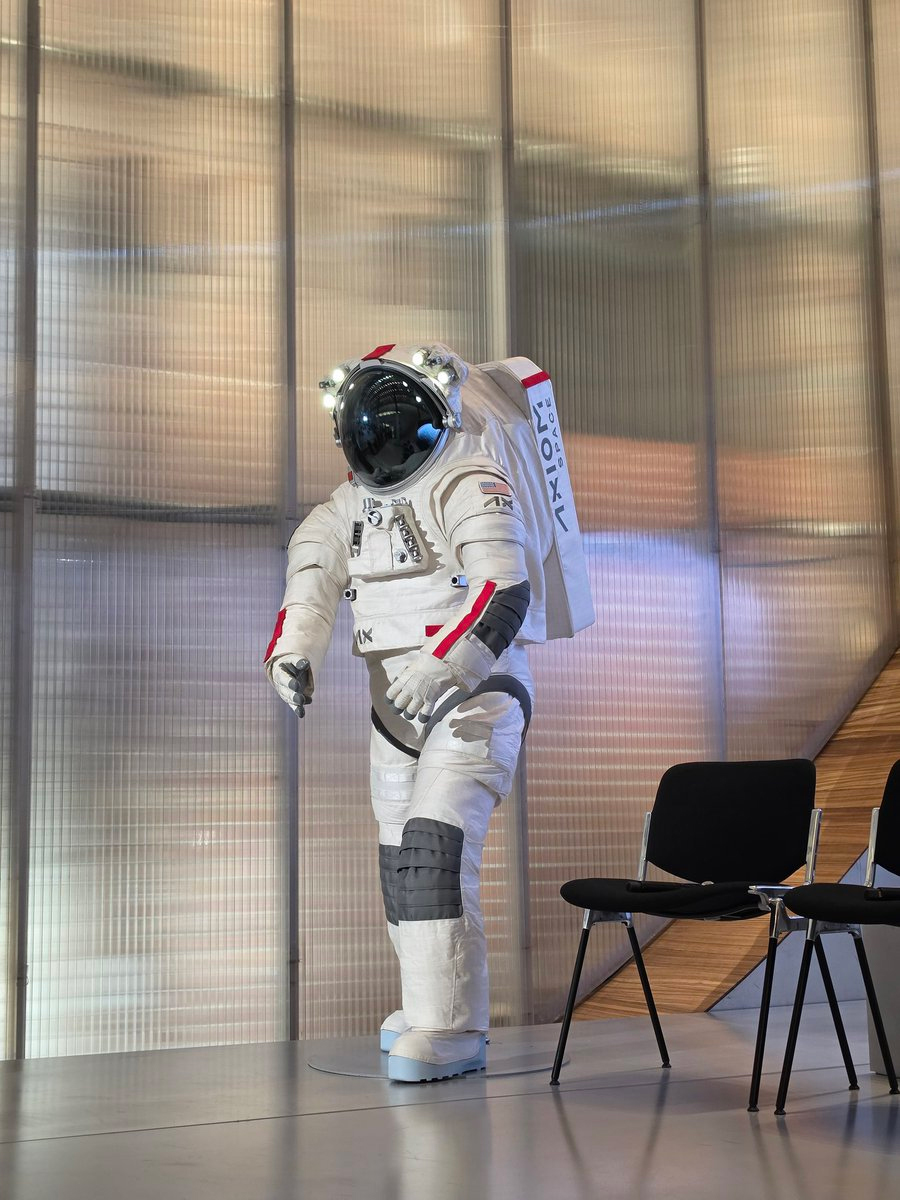
The collaboration highlights a broader trend in modern spaceflight. As commercial companies play an increasingly important role in exploration, expertise is being sourced from industries far beyond aerospace.
Fashion brands, textile specialists, and advanced manufacturing firms possess capabilities that can complement traditional engineering approaches. In the case of the AxEMU spacesuit, Prada’s experience with technical fabrics and precision garment construction contributes directly to astronaut comfort and operational performance.
As humans prepare for longer stays on the Moon and eventual missions to Mars, every component of a spacesuit becomes increasingly important. What may appear to be a simple garment layer is, in reality, a sophisticated life-support system.
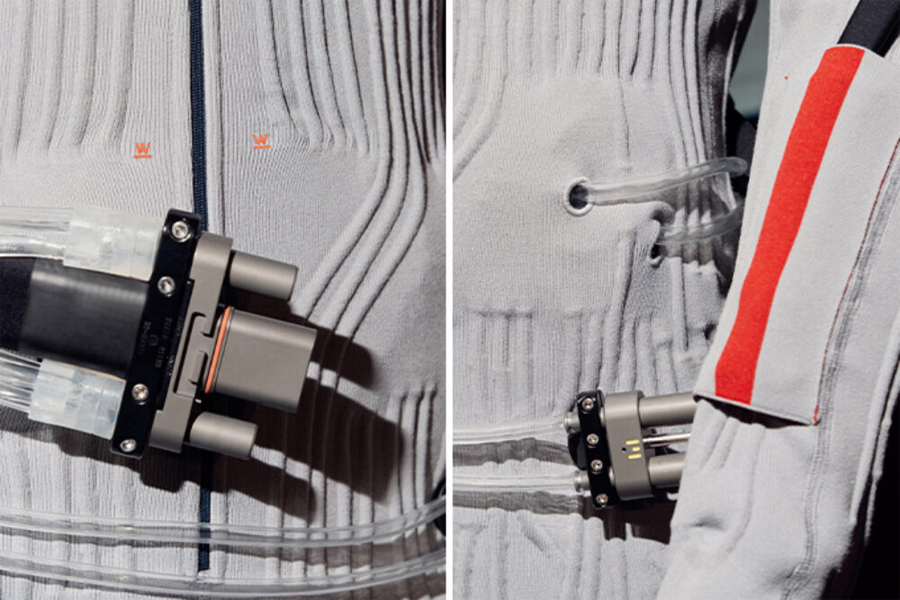
The new Prada-designed Liquid Cooling and Ventilation Garment demonstrates that future space exploration will depend not only on rockets and spacecraft, but also on innovations in materials, textiles, and human-centered design. The next giant leap may be supported by technology that starts with something as familiar as clothing.