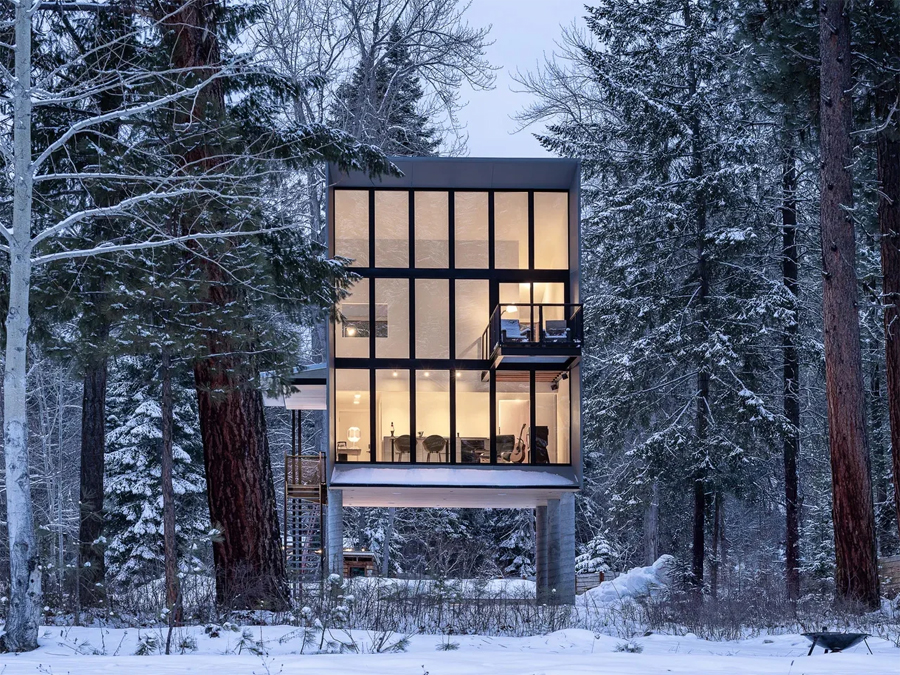
Dan Wheeler did not rush into building a house. For ten years, he slept in tents on his riverfront land along Washington’s Wenatchee River, returning season after season with no permanent structure in sight. A software engineer by profession, Wheeler bought the property in 2010 after years of rafting trips through the area. The river, the forest, and the rhythm of the seasons kept pulling him back. Each visit added another layer of understanding. Light filtered differently through the trees depending on the month. Spring runoff reshaped the shoreline. Certain views mattered more at sunrise than at sunset. What looked like waiting was, in reality, careful listening.
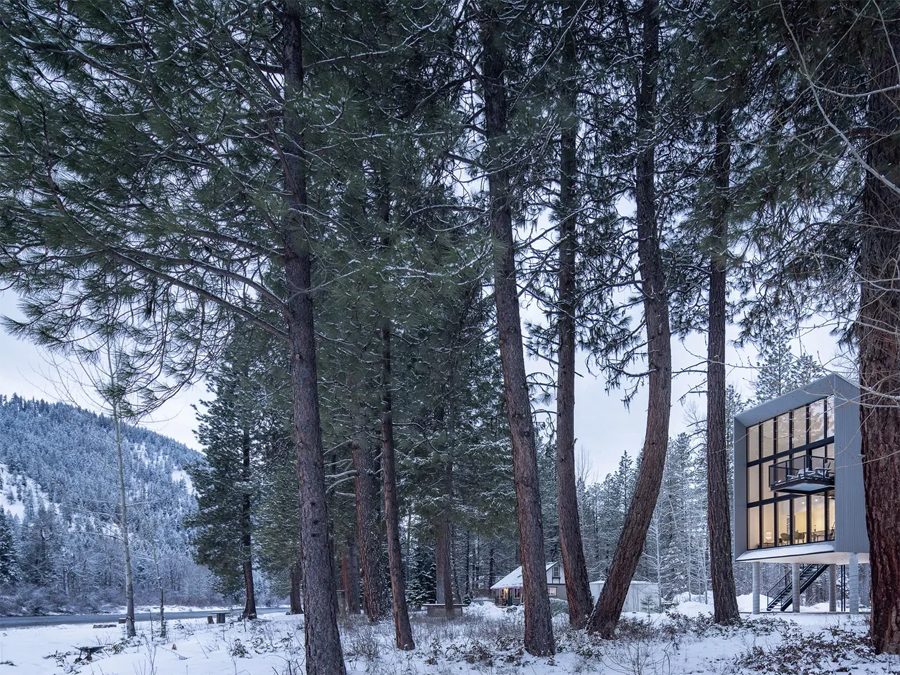
Those years became an extended study of place. Wheeler learned how little shelter he actually needed and how much the landscape itself provided. Cooking happened outdoors. Sleeping was temporary. Nothing felt fixed, and that impermanence shaped his expectations. When the idea of building finally took hold, it was not driven by urgency but by clarity.
When Wheeler approached Seattle-based studio Wittman Estes, he came with a specific request. The building had to be modern and sculptural, but restrained. It needed to respect the decade of simple living that came before it rather than overwrite that experience. Architects Matt Wittman and Julia Frost responded with a compact, elevated cabin that feels deliberate in every decision.
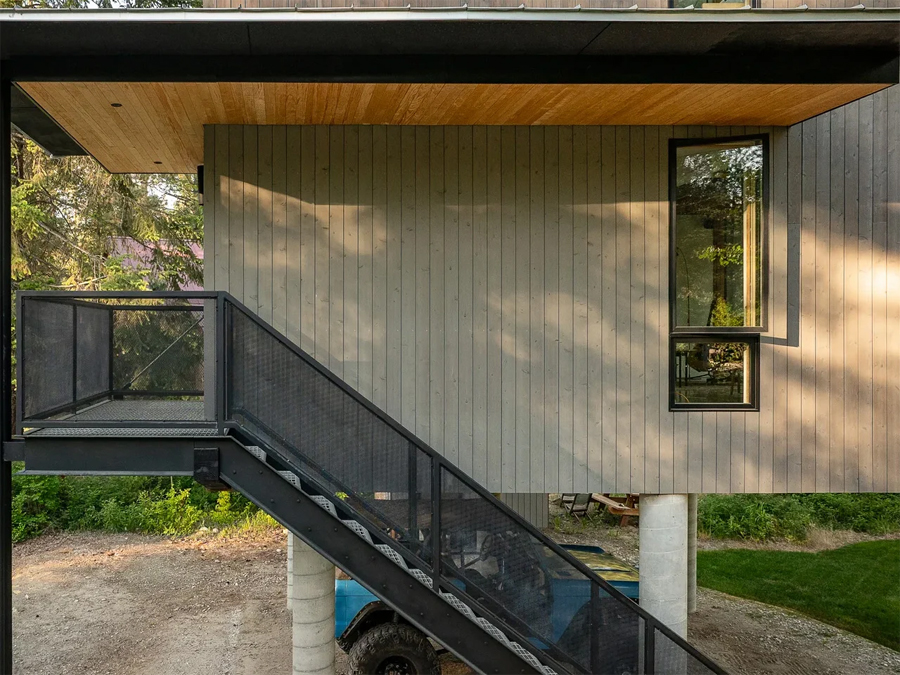
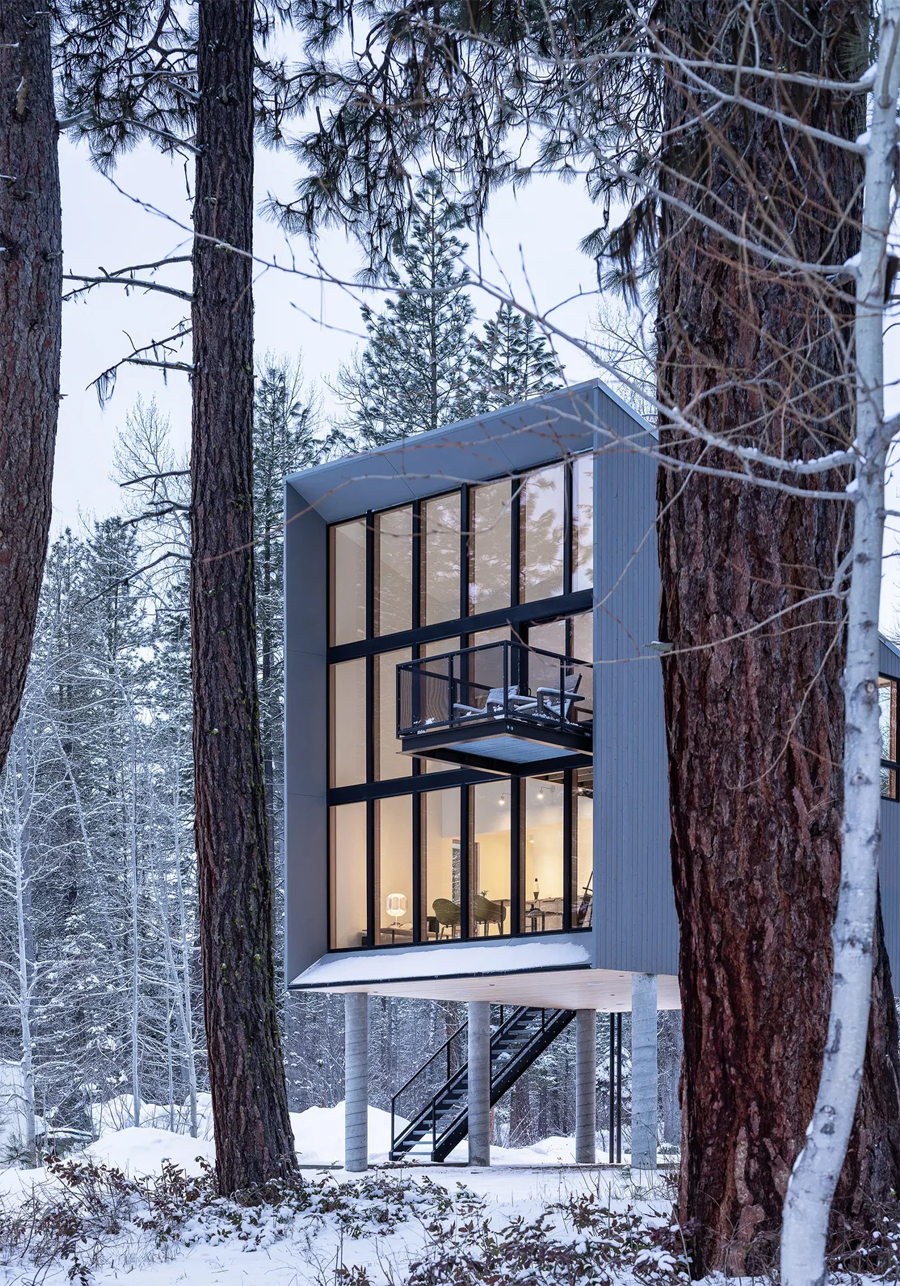
The result is a 747-square-foot, two-story structure raised ten feet above the ground on concrete columns. The metal-clad wedge points directly toward the river, its sharp geometry contrasting with the softness of the surrounding Okanogan Wenatchee National Forest. The form is striking without being loud. It asserts itself just enough to be legible, then steps back and lets the site lead.
Elevation serves more than visual drama. By lifting the cabin, the architects protected it from flooding and snow accumulation while minimizing disturbance to the forest floor. The ground beneath remains largely untouched, preserving the ecosystem Wheeler had lived within for a decade. The elevated stance also maintains the sense of outdoor living that defined his early years on the property. Shelter is present, but the relationship to nature remains primary.
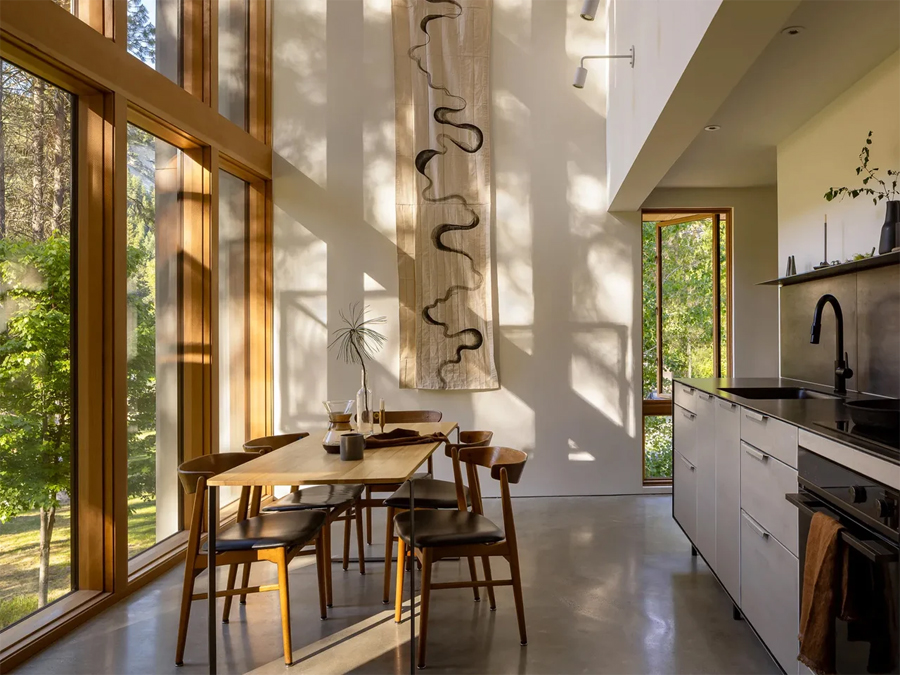
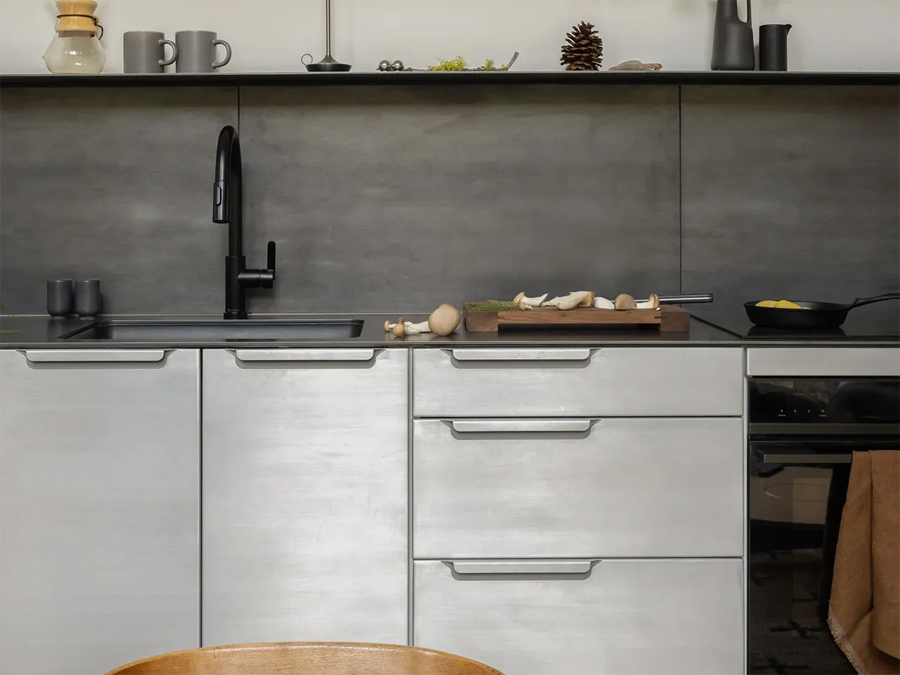
Inside, the small footprint demands intention. At just over 700 square feet, every element earns its place. Wheeler’s desire to live with less shaped the interior layout, stripping away anything unnecessary. Storage is minimal. Spaces are multifunctional. The scale encourages daily decisions about what truly matters.
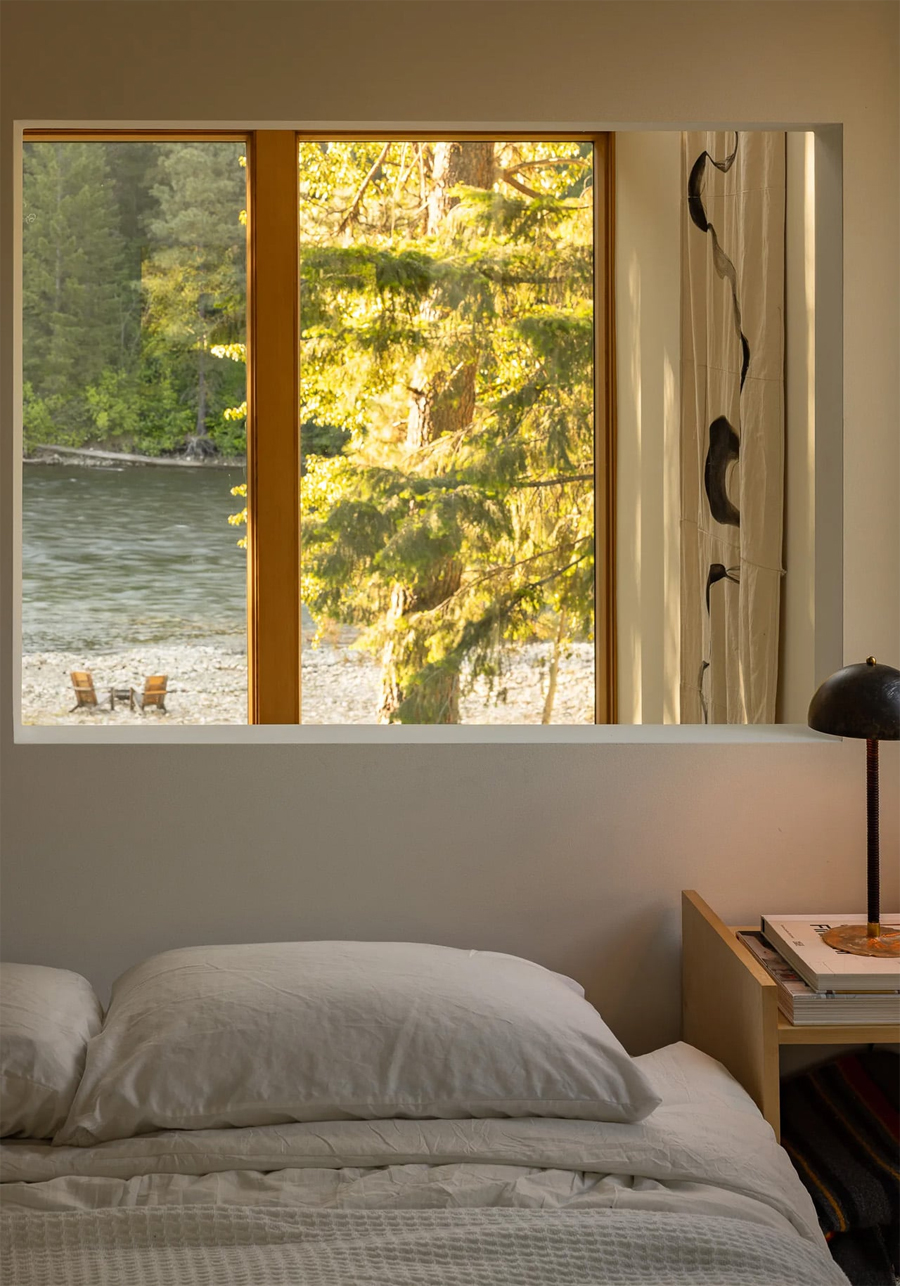
Floor-to-ceiling windows dissolve the boundary between inside and out. The river and trees become part of the interior experience, expanding the perceived space far beyond the cabin’s physical dimensions. Rather than feeling constrained, the home feels open, anchored by views that change constantly with weather and season.
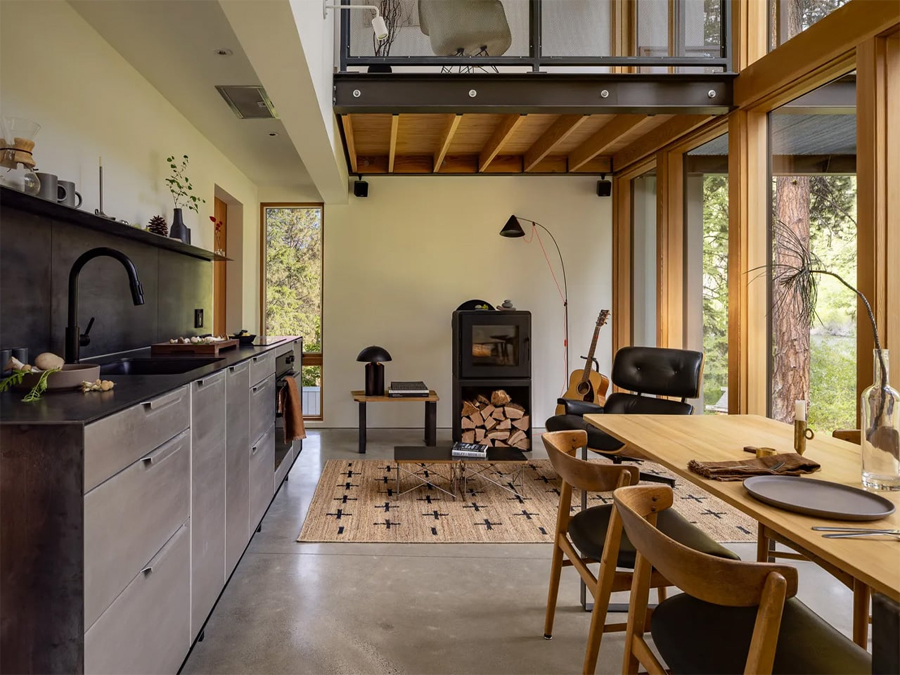
What began as a weekend retreat quietly evolved into something more permanent. Wheeler now lives in the cabin full time. The transition was gradual and unforced, mirroring the slow process that led to construction in the first place. Downsizing did not result in loss. It refined his definition of comfort, replacing accumulation with clarity.
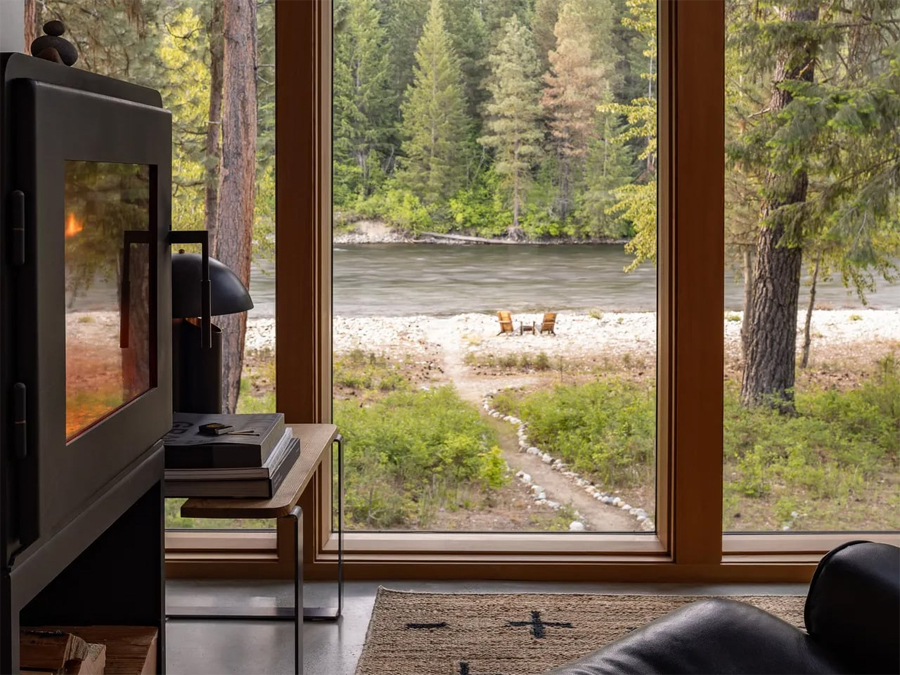
The Wenatchee River Cabin stands as a counterpoint to excess, not only in architecture but in lifestyle. In a world that often celebrates scale, speed, and spectacle, the project demonstrates the value of patience. Years of observation shaped decisions that feel inevitable rather than imposed.
Luxury is often measured by size, cost, or rarity, whether in homes or in the most expensive cars. This cabin suggests a different metric altogether. Here, value comes from restraint, from knowing when to wait, and from letting experience guide design. The building does not compete with its environment or attempt to dominate it. It simply occupies its place with quiet confidence, facing the river that first captured Wheeler’s attention fifteen years ago.
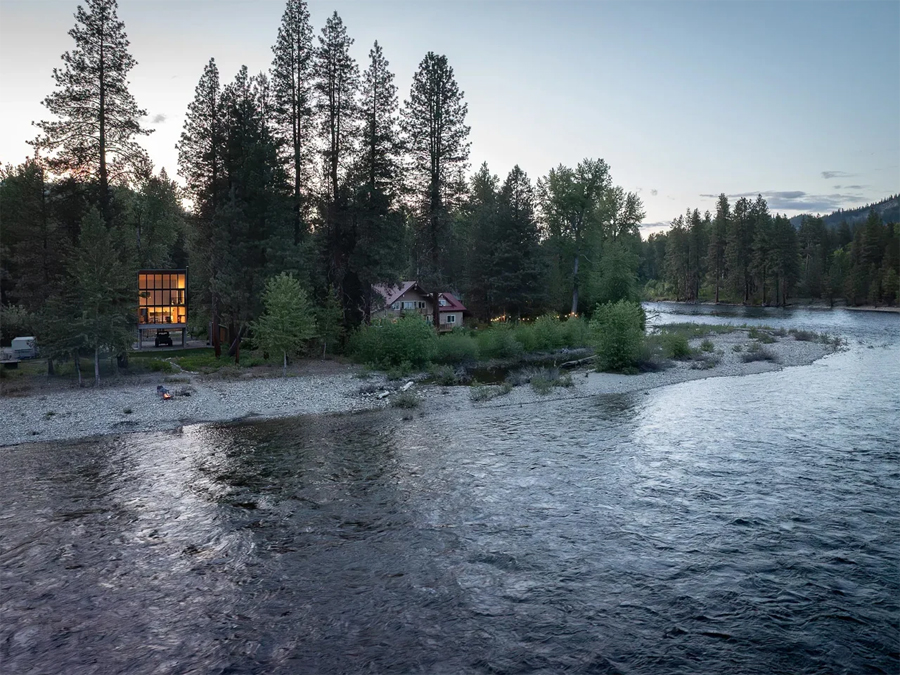
The project proves that sometimes the best architecture emerges not from bold declarations, but from long conversations with the land, carried out patiently over time.