The automotive industry has been promising solid-state batteries for so long that the phrase itself has become a kind of placeholder for a future that never quite arrives. Toyota has been chasing it for years. Samsung has a roadmap. QuantumScape has been working on it since 2010 and still has no production vehicle to show for it. The industry consensus, as of early 2026, clusters around meaningful volumes arriving sometime between 2027 and 2030 – for cars. For motorcycles, nobody was even talking about it.
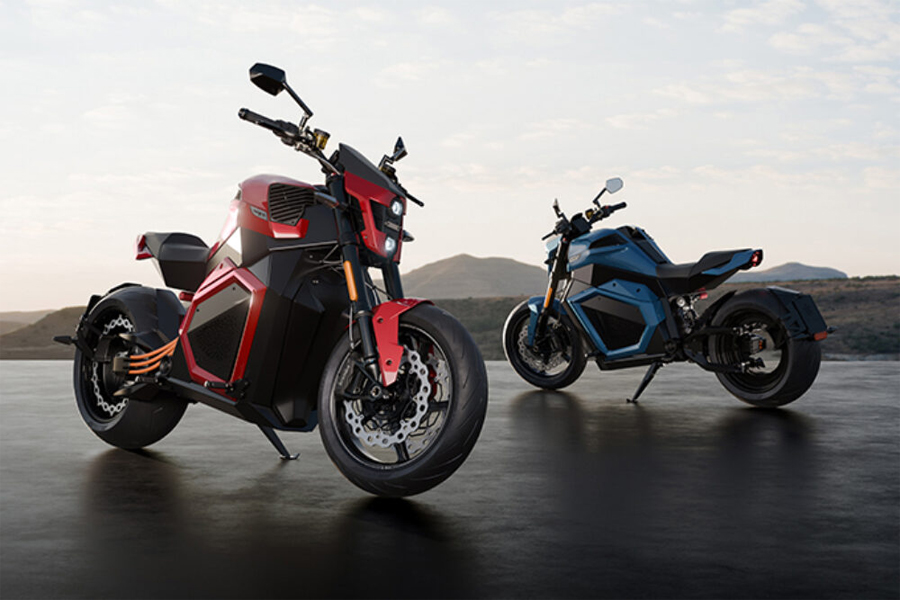
Then, at CES in January, a Finnish company called Donut Lab announced that its answer to when solid-state batteries would be ready for production vehicles was not 2027. It was now. The first units of the 2026 Verge TS Pro Gen 2 – powered by Donut Lab’s all-solid-state battery – came off the production line in Estonia at the end of March and are now heading to early reservation holders.
The skepticism was immediate and vocal. Shirley Meng, a professor of molecular engineering at the University of Chicago, visited Donut Lab’s CES booth and said directly that she did not believe it. Yang Hongxin, CEO of Chinese battery giant Svolt, called the claimed parameters contradictory. Those are not fringe critics. The history of solid-state battery announcements has trained the industry to treat bold claims with caution, and Donut Lab’s numbers are genuinely bold: 400 Wh/kg energy density, full charge in five minutes, 100,000 cycle life, operation from -30°C to above 100°C without performance loss, all built from abundant materials rather than rare-earth elements. Since CES, Donut Lab has taken steps to build credibility, including independent cell-level testing by VTT Technical Research Centre of Finland, which confirmed that the battery maintained over 100% of nominal capacity after multiple hours at 100°C. More recently, a pack-level charging test in an actual Verge TS Pro demonstrated sustained 100kW charging – a 5C rate – for five minutes in a real vehicle environment, air-cooled rather than liquid-cooled.
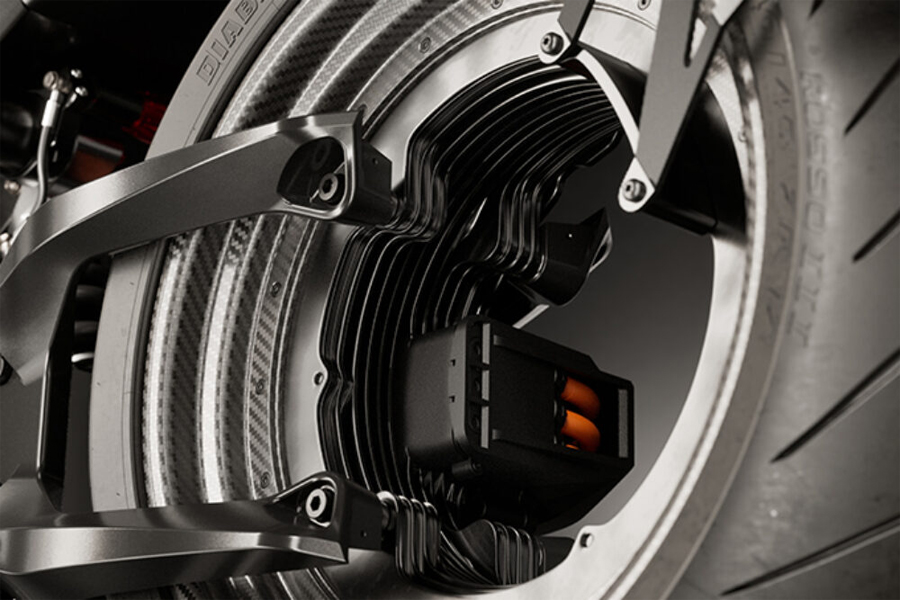
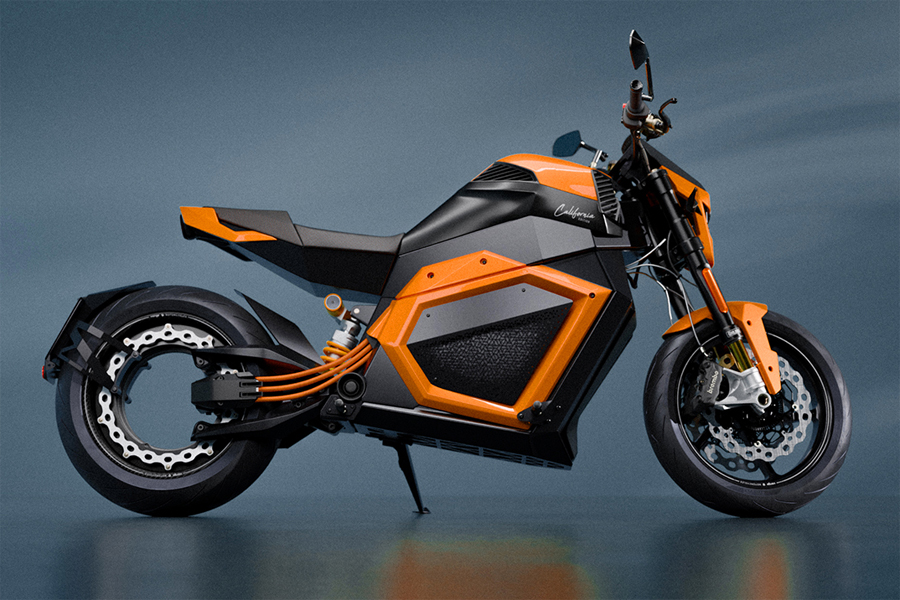
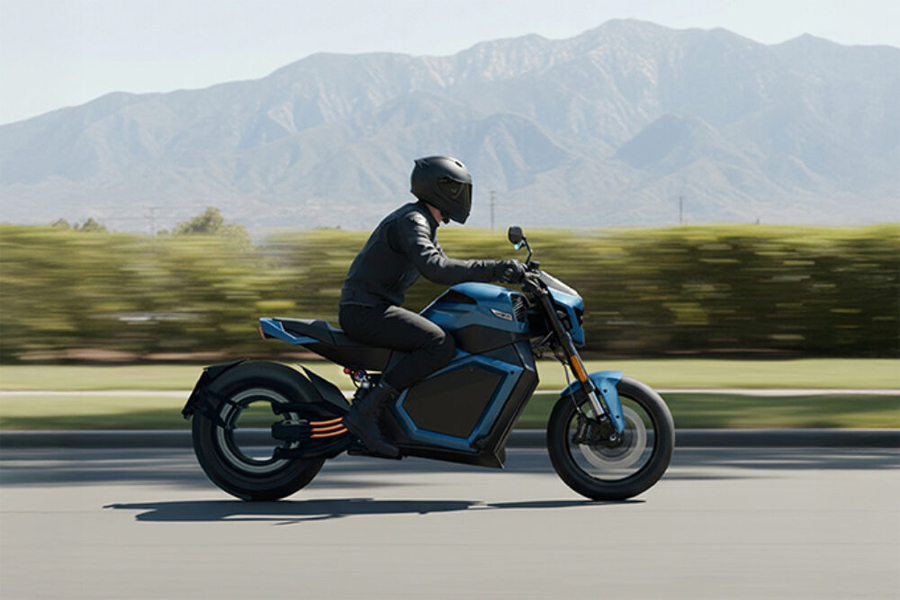
The motorcycle itself is worth considering on its own terms, independent of the battery story. Verge was founded in Finland in 2018 around a single design premise: start from scratch for electricity rather than adapting a conventional layout. The result is the hubless rear-wheel in-wheel motor, which eliminates the chain, lowers the center of gravity, and removes roughly 120 components compared to a conventional drivetrain. The motor sits where the rear axle would be, freeing space for a larger battery and producing a visual profile that looks entirely unlike anything else on the road. The approach was credible enough to earn Verge a Guinness World Record for electric motorcycle range in 2025 and ambassador partnerships with Formula 1 world champions Mika Häkkinen and Valtteri Bottas.
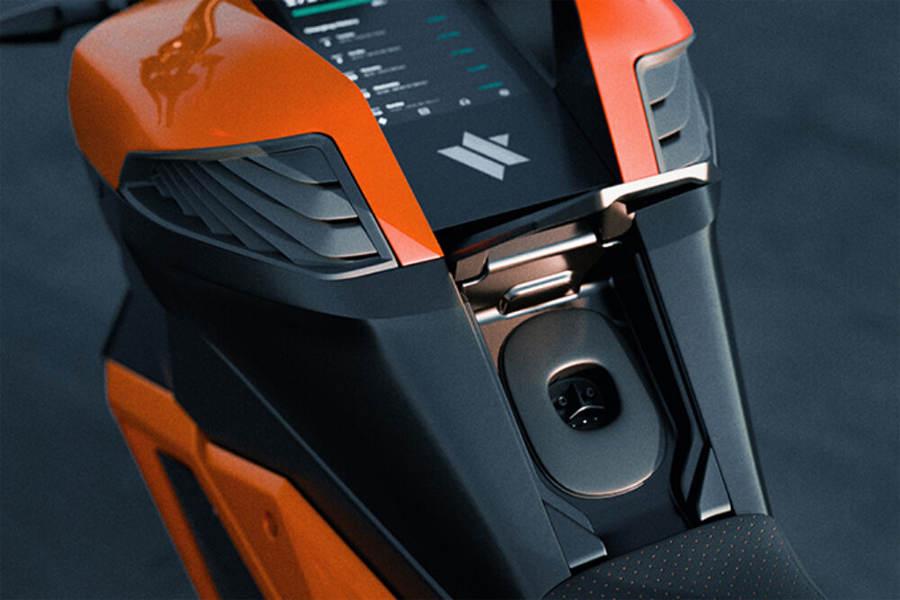
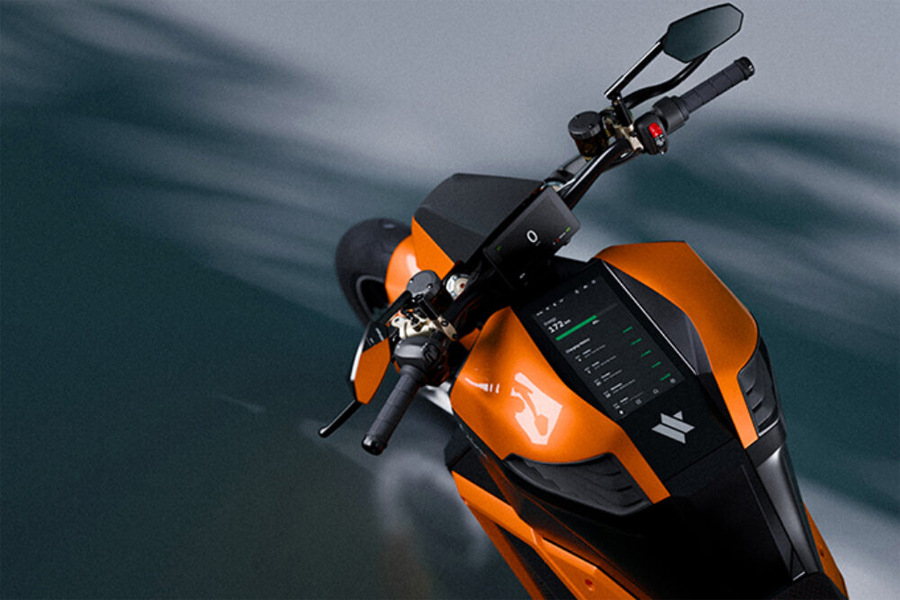
The Gen 2 TS Pro upgrades the drivetrain alongside the battery. The new Donut Motor 2.0 is 50% lighter than its predecessor while delivering 100 kW of peak power and 737 lb-ft of torque through the hubless rear wheel – figures that produce a 0-60 time of 3.5 seconds and a top speed of 124 mph. The reduction in unsprung weight at the rear wheel addresses one of the practical criticisms of the first generation, which reviewers noted produced some pulsing at very low speeds. Verge’s Starmatter HMI brings four ride modes – Range, Zen, Beast, and a fully Custom configuration – along with over-the-air update capability, improved connectivity, and built-in Bluetooth. Standard equipment includes Brembo brakes and Öhlins/Wilbers suspension, components that are not typically standard on anything at this price.
The battery comes in two configurations. The standard 20.2 kWh pack offers 217 miles of range and charges at up to 100 kW peak, while the large 33.3 kWh pack extends range to 370 miles and charges at up to 200 kW – adding 186 miles of range in approximately 10 minutes via a NACS charging port. Verge has been candid about deliberately slowing the charge rate to ten minutes for the production bike: the intent, as Donut Lab CEO Marko Lehtimäki has put it, is to give riders time for a coffee rather than having to rush back to the bike before it finishes.
Pricing starts at $29,900 for the standard battery configuration and $34,900 for the extended range pack. Neither figure is cheap for a motorcycle, but neither is it unreasonable for what is, on the face of it, the most technically significant two-wheeled vehicle to reach production in years. Deliveries to early reservation holders are underway. New orders are expected to arrive later in the year.
The real proof will come over time. Long-term cycle life, real-world charging logs, thermal behaviour in varied climates, and manufacturing consistency across a production run will determine whether Donut Lab’s technology is the genuine inflection point it claims to be, or whether the industry’s 2027-2030 consensus turns out to have been the more accurate frame. What can be said now is that the bikes are real, they are shipping, and they are powered by a battery that every major automotive company has been trying to build for the better part of a decade. Whether that is a breakthrough or a very impressive starting point, the road will tell. Be sure to check our list of the