In 1976, two very different innovations captured attention at the same time. NASA presented the Space Shuttle Enterprise, marking a new era in reusable spacecraft, while Amida introduced the Digitrend, a mechanical watch that displayed time through a prism like a cockpit instrument. Decades later, those parallel stories meet in a single object.
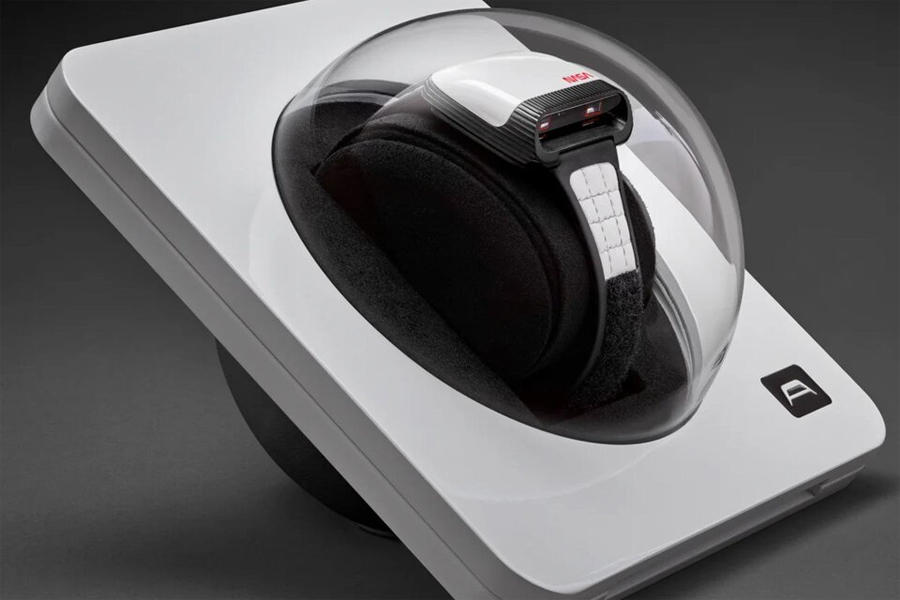
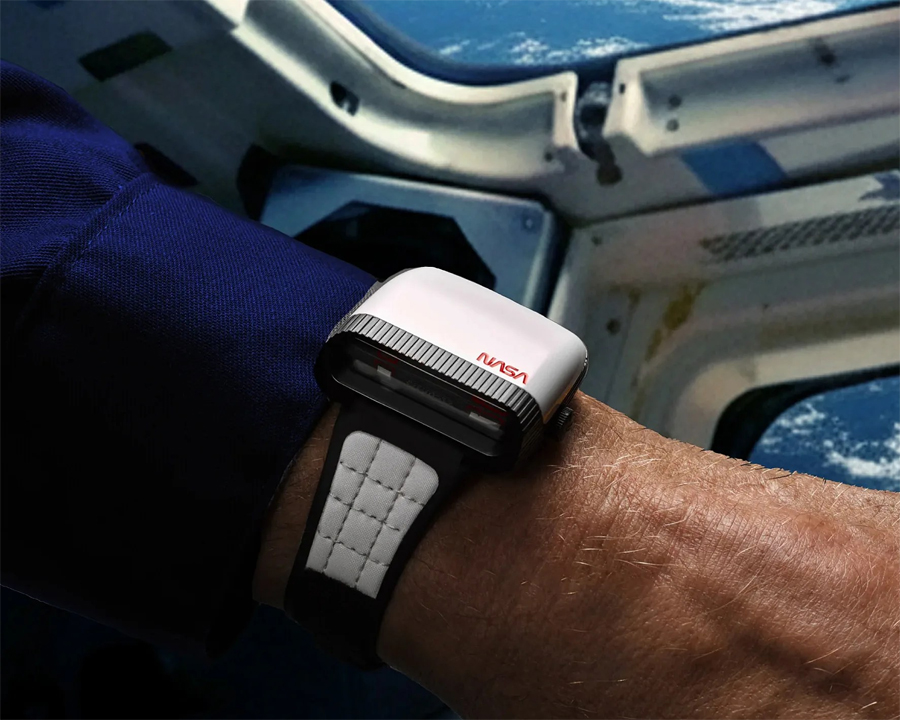
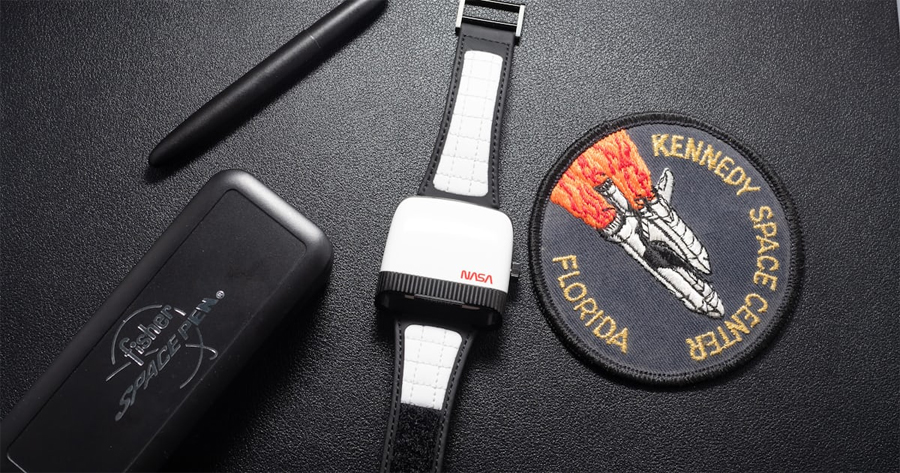
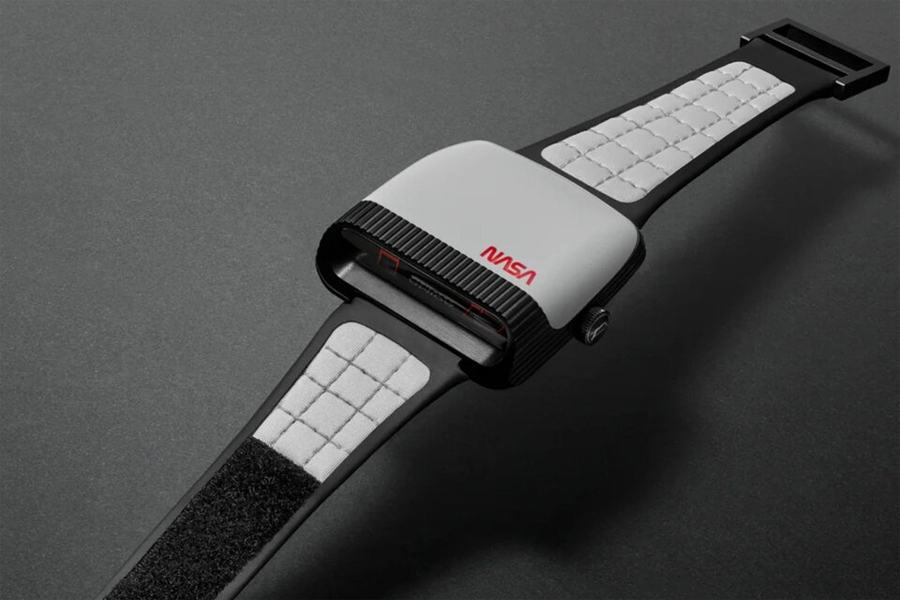
The Amida Digitrend NASA Edition takes the original concept and pushes it into something that feels closer to aerospace equipment than traditional watchmaking. Its 39.6 mm case is built as a monoblock structure in black DLC-coated stainless steel, shaped with horizontal fluting that gives it a distinctly technical, almost industrial character. On top sits a glossy white ceramic shell marked with the iconic NASA “worm” logo, a design language used by the agency between 1975 and 1992 and still strongly associated with the golden age of space exploration.
The way this watch tells time is what sets it apart. Instead of hands, it uses a sapphire prism to project the display toward the wearer, creating a layout that feels more like reading a flight instrument than checking a wristwatch. Hours jump instantly while minutes scroll smoothly, driven by a custom-built module developed specifically for this model. This system works in combination with the Swiss automatic Soprod Newton P092 movement, blending traditional mechanics with a highly unconventional presentation.
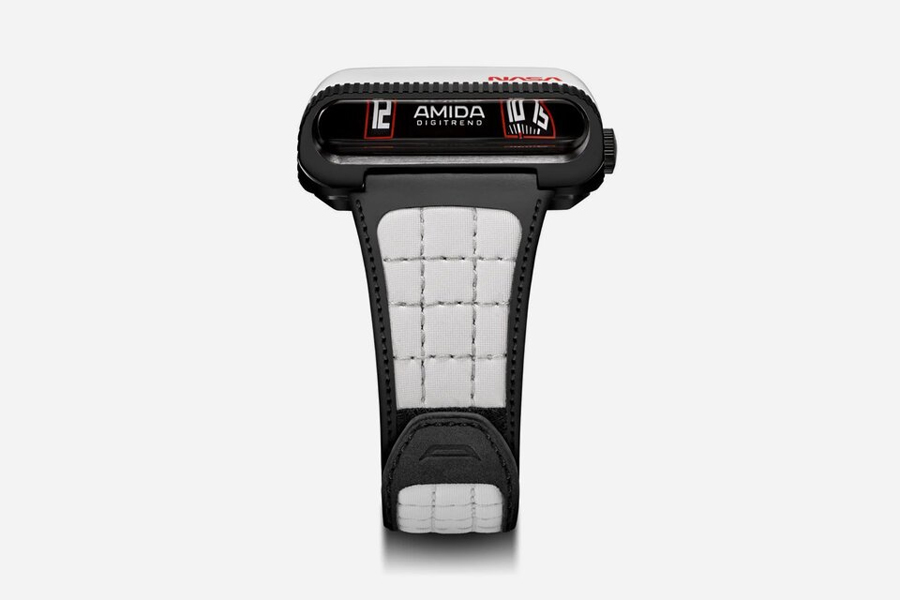
Amida’s Light Reflective Display technology plays a key role here, redirecting the time readout through the prism so it can be viewed from an angle without turning the wrist. It is a small detail, but one that reinforces the connection to cockpit ergonomics and pilot-focused design thinking.
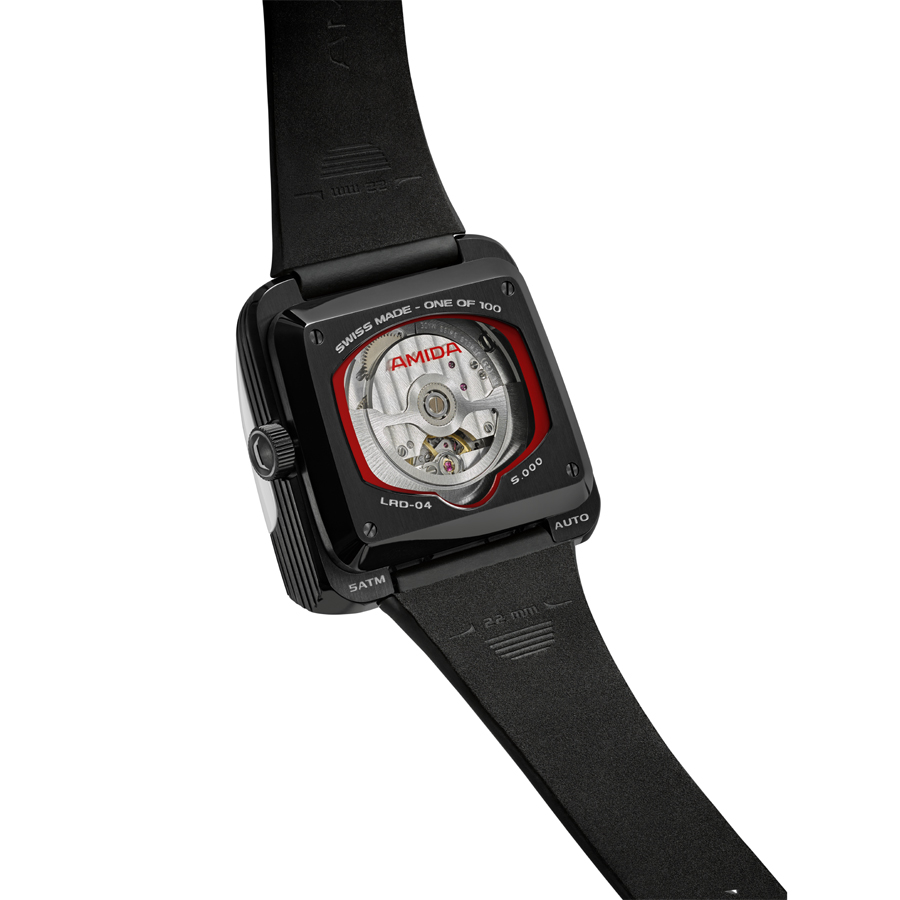
Even the strap continues the aerospace theme. It features an insert made from Beta cloth, a material originally developed for use in space suits due to its fire-resistant properties. That choice is not just aesthetic, it ties the watch directly to the materials used in real missions.
Limited to just 100 individually numbered pieces, the Digitrend NASA Edition is less about nostalgia and more about merging two design philosophies that were born in the same year. It captures the optimism and technical ambition of the late seventies, translating it into a modern object that feels both retro and futuristic at the same time.