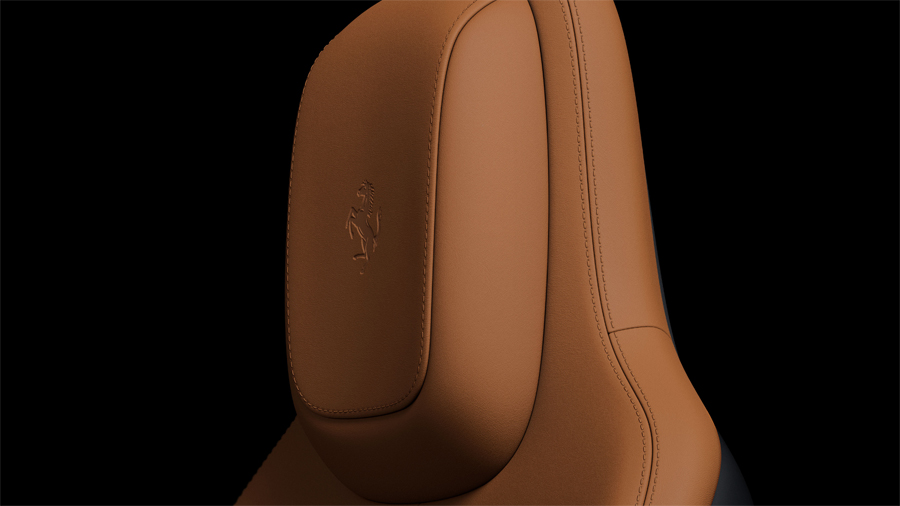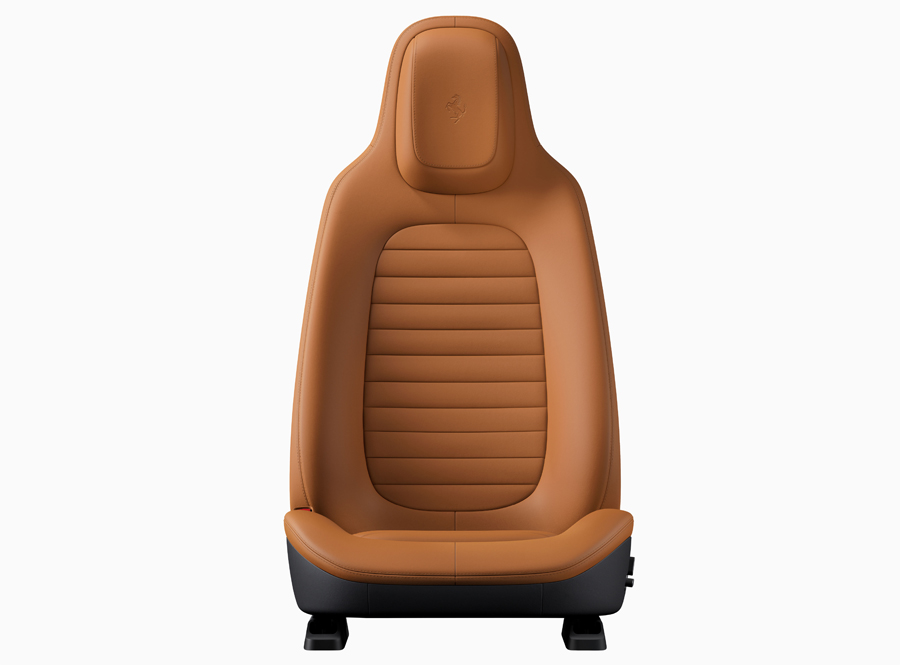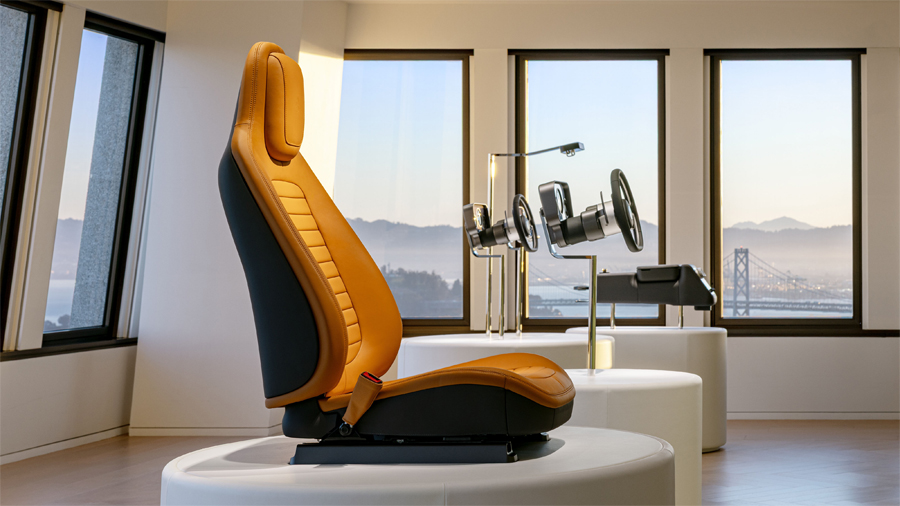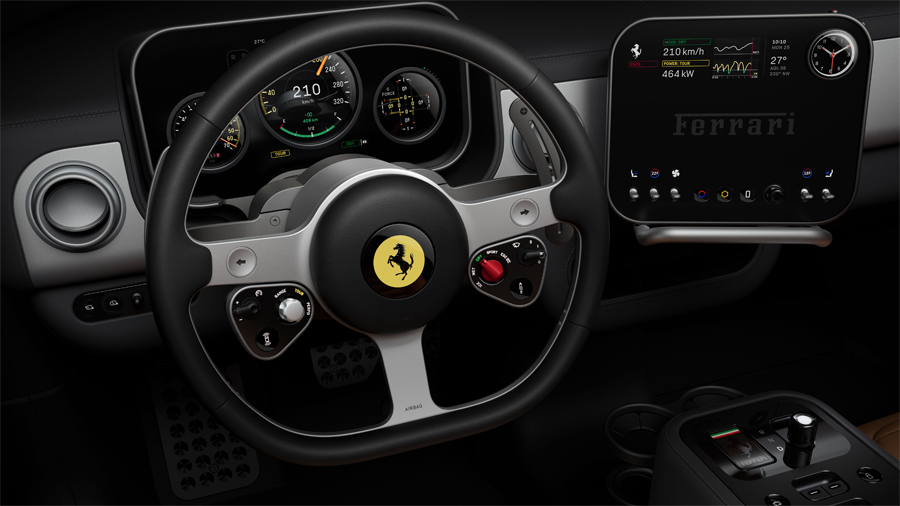
Ferrari’s first all-electric car now has a name – Ferrari Luce – and its interior reveal instantly reframes what an EV cockpit can be. This is not just another digital dashboard. It is the result of a rare collaboration with Jony Ive , created through his design collective LoveFrom , alongside longtime partner Marc Newson . For Ferrari, this marks phase two of a carefully staged debut, and arguably the most important one.
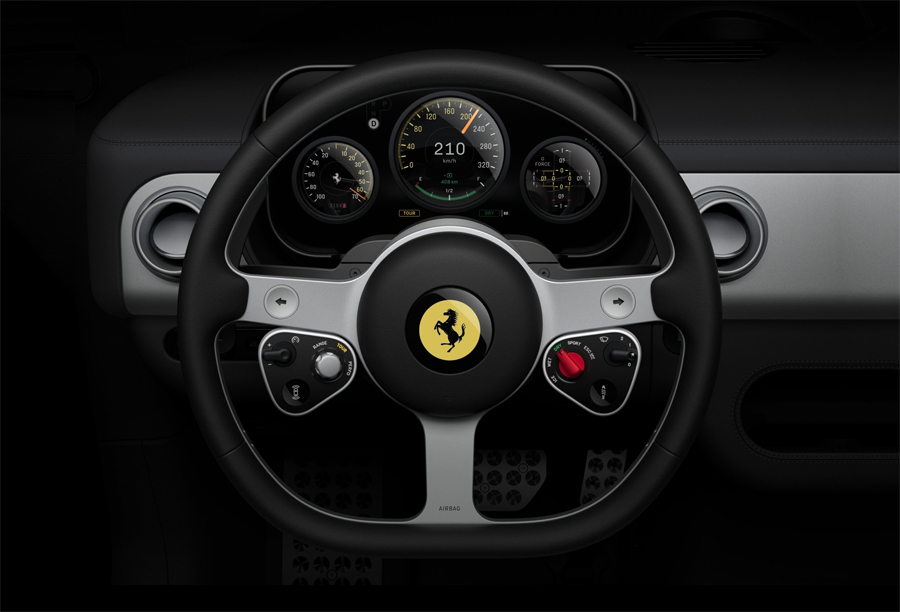
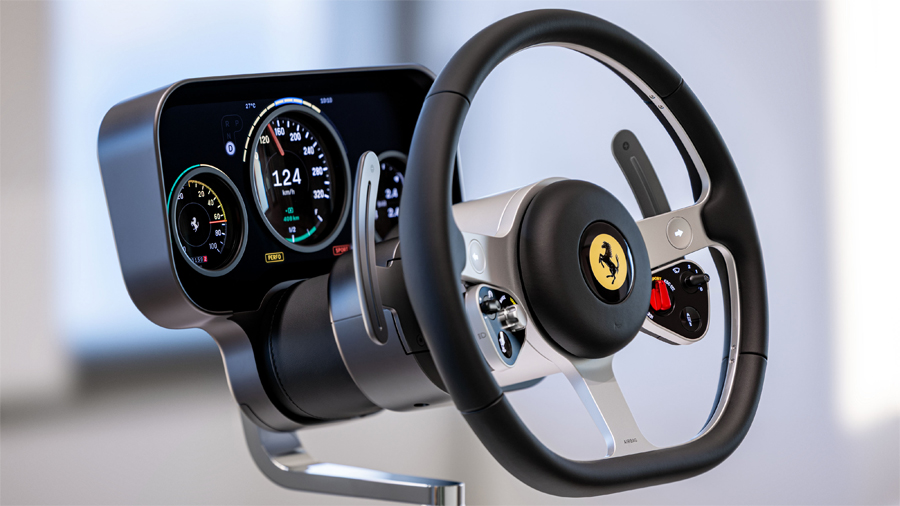
The philosophy is radical in its restraint. The driver interface is stripped back to first principles, where the instrument binnacle handles output and the steering wheel handles input. Every control that matters is physical, mechanical, and placed with intent. According to Ive, driving sits at the absolute center of the experience, while everything else exists only to support it. Ferrari’s engineers validated every assumption, ensuring the purity of the idea survived contact with reality.
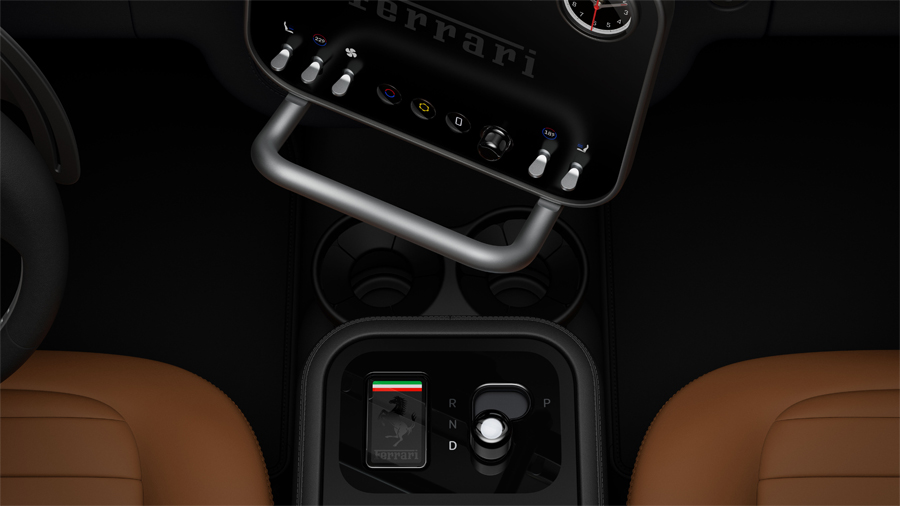
Materials do much of the talking. Anodised aluminium dominates, CNC-milled from solid billets with obsessive precision. Plastic is nowhere to be found. Even hidden components are finished to the same standard as visible ones. The 12.86-inch instrument display is sculptural, softly rounded, and paired with aviation-inspired dials that reference classic Ferrari gauges. Samsung’s overlapping OLED technology allows for perfect blacks, infinite contrast, and a subtle parallax effect that adds depth without distraction.
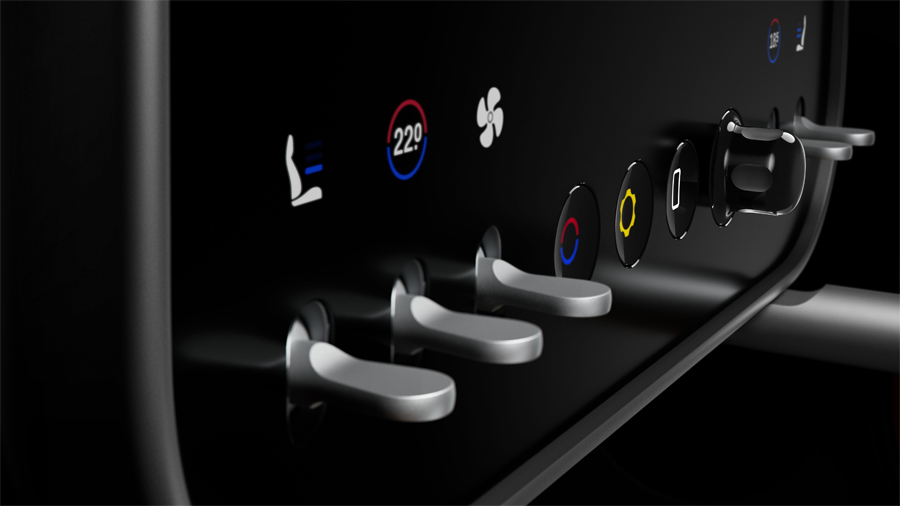
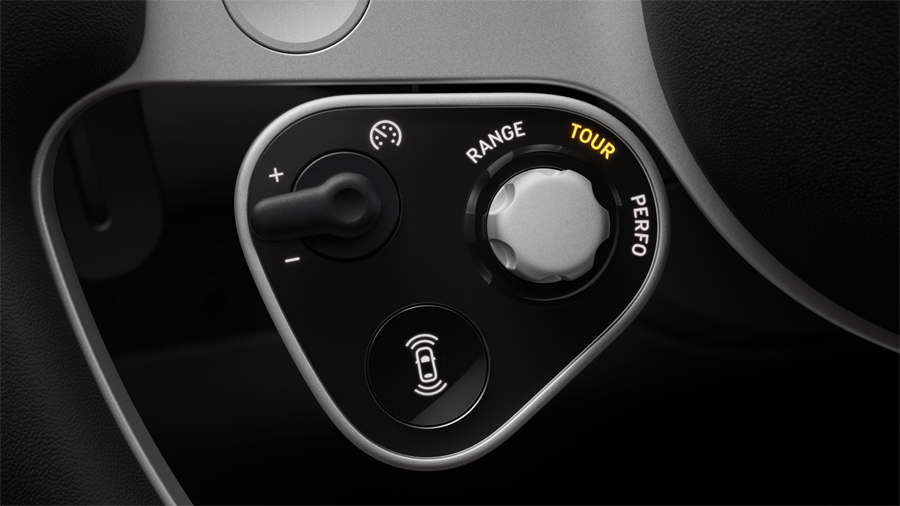
The steering wheel alone consists of 19 separate CNC-machined parts, made from fully recycled aluminium. Integrated controls adjust power delivery, chassis settings, torque engagement, and regenerative braking, all tuned for tactile clarity. Paddle shifters are no longer theatrical leftovers from combustion cars but meaningful interfaces for acceleration and braking feel. Nothing is decorative. Everything earns its place.
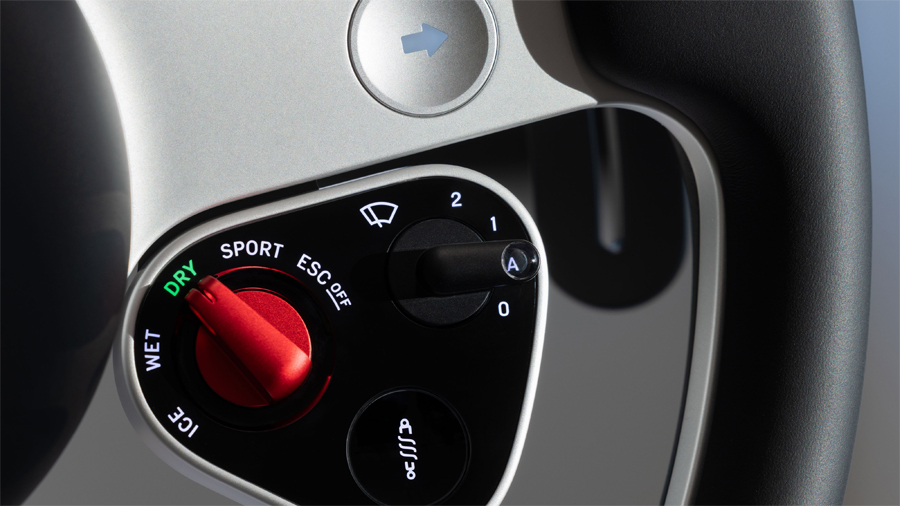
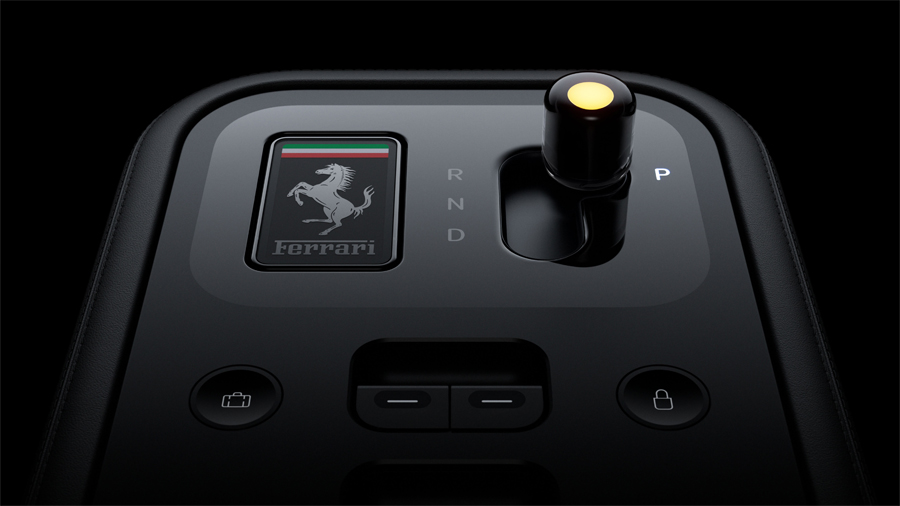
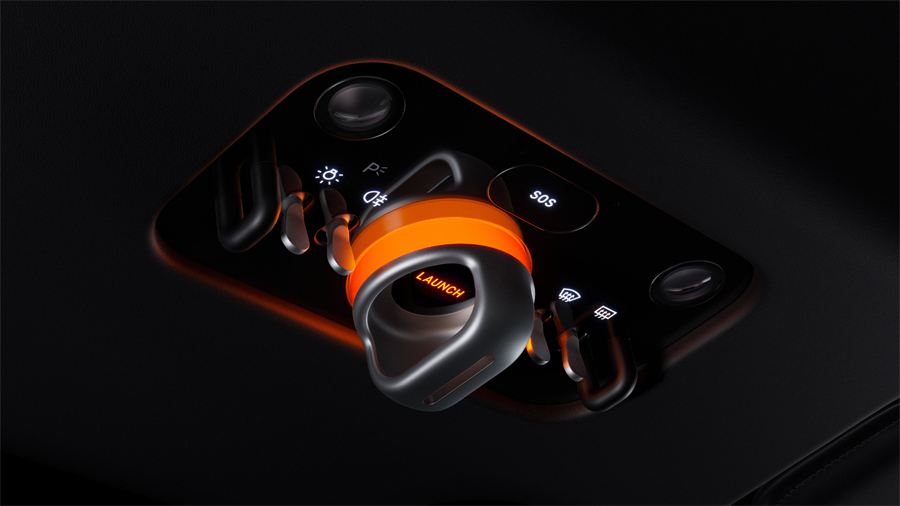
At the center, a 10.12-inch screen floats on a ball-and-socket mount, able to pivot smoothly toward driver or passenger. A palm rest replaces the usual finger-jabbing ergonomics, while climate controls return to physical switches for speed and precision. Above, an overhead panel nods to aviation once more, even housing launch control. Glass plays a starring role too, developed with Corning using new automotive techniques, including laser-etched micro-perforations and a semi-matte finish to resist fingerprints.
Ferrari has not yet revealed pricing, nor the Luce’s exterior, but the intent is already clear. As executive chairman John Elkann explains, the name “Luce” avoids reducing the car to its electric powertrain. This is meant to be timeless, not disposable. In a segment obsessed with screens and novelty, Ferrari has chosen durability, clarity, and human focus. For the brand, and perhaps for car interiors as a whole, this feels less like an iteration and more like a reset.