For more than half a century, the Mercedes-Benz C 111 was one of the most desirable cars nobody could buy. When the experimental sports car appeared in 1969, wealthy enthusiasts reportedly sent blank checks to Stuttgart, hoping to secure one. Mercedes-Benz refused every offer. Now, for the first time in the company’s history, one of these extraordinary prototypes is leaving the factory collection and heading to auction.
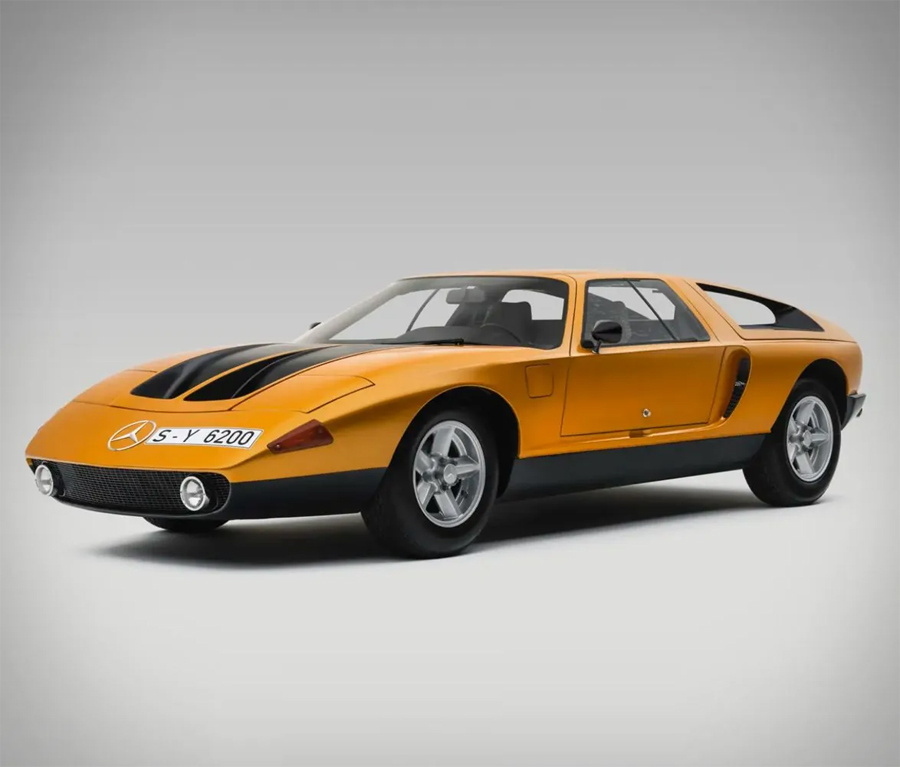
The car in question is the 1970 C 111-II, internally known as Car 33. It will be offered by RM Sotheby’s in Paris on February 3, 2027, during Rétromobile week. Mercedes-Benz has also committed not to sell another C 111 for at least 25 years, making this a particularly rare opportunity for collectors.
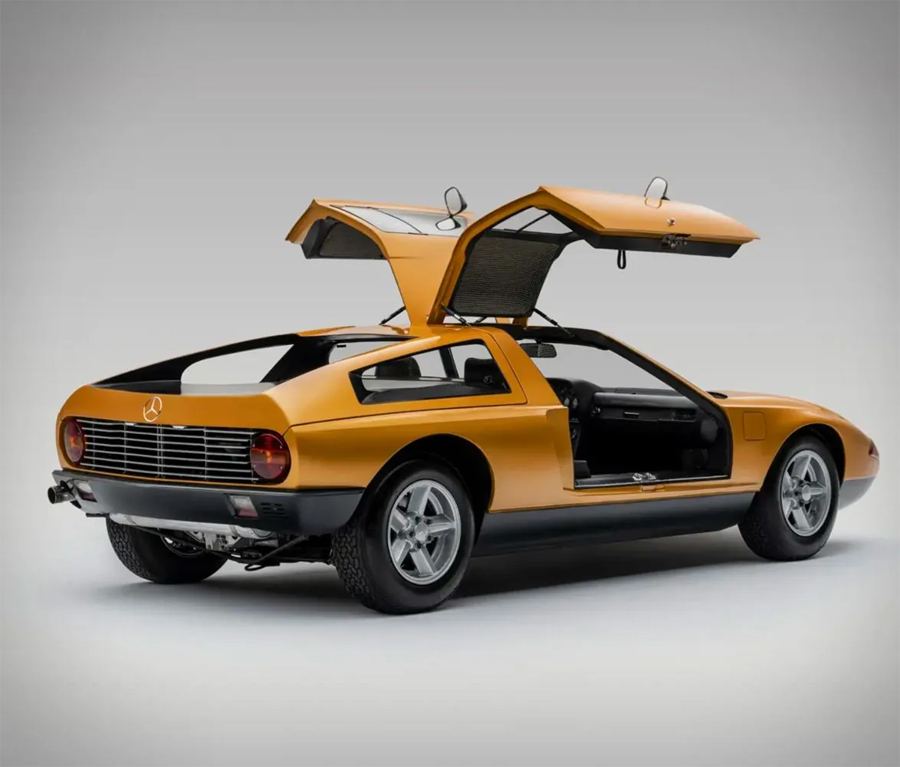
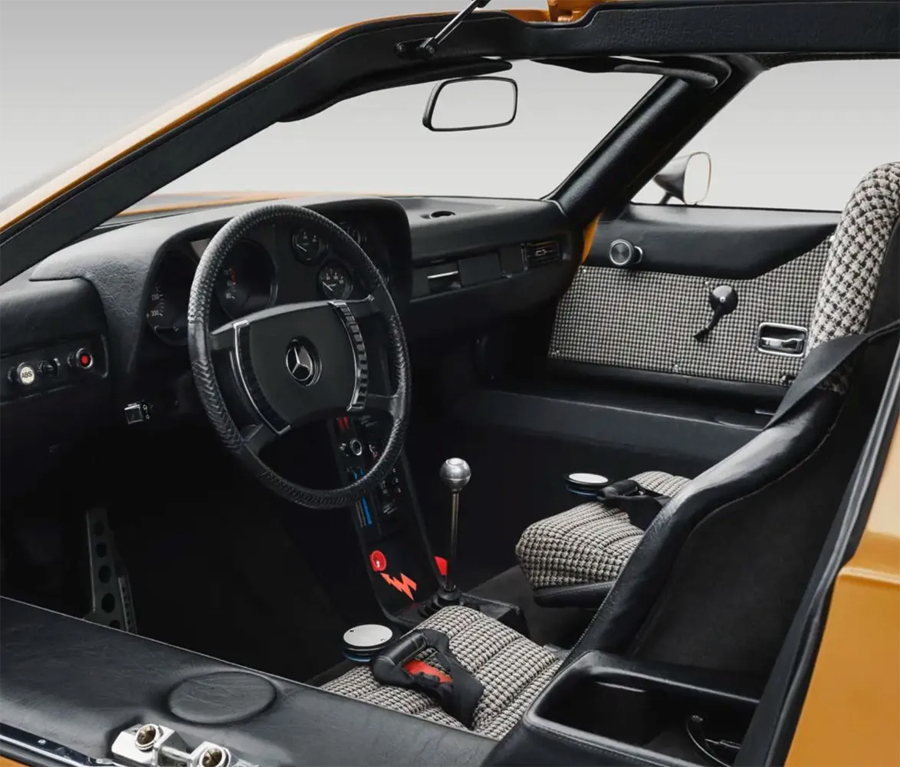
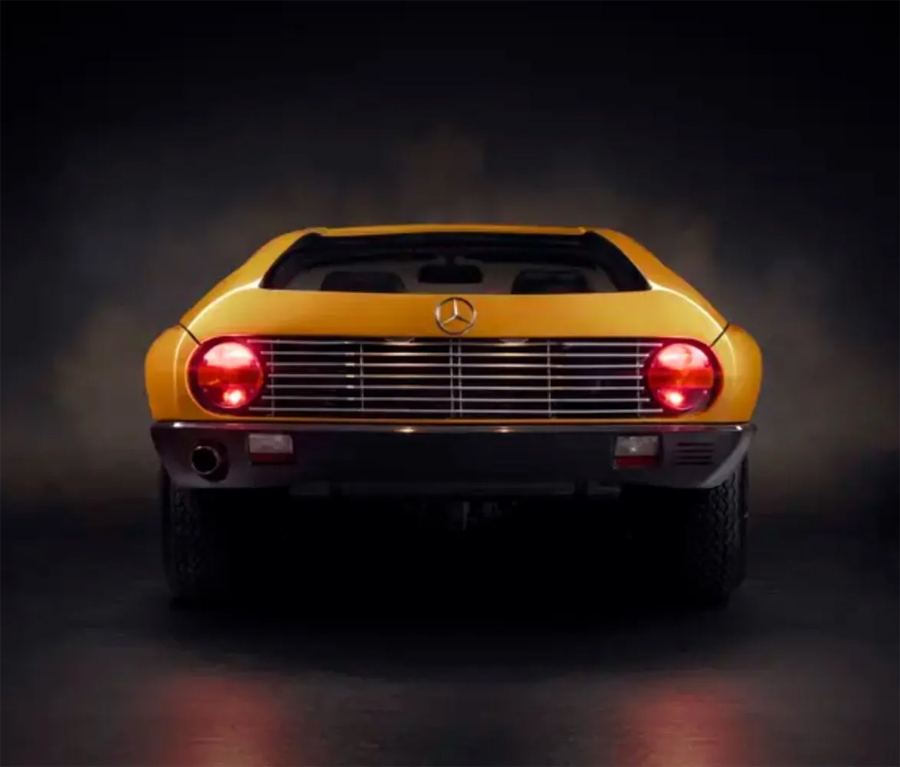
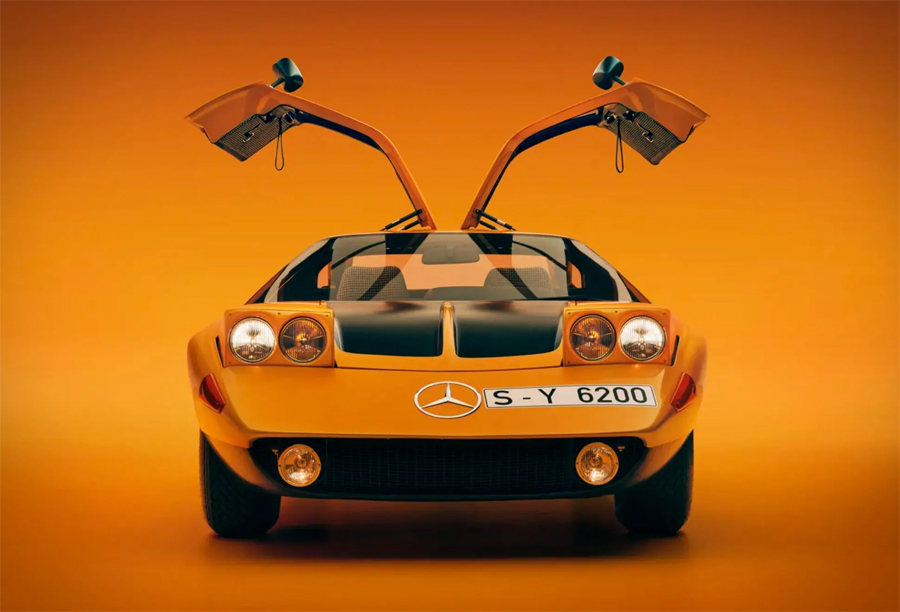
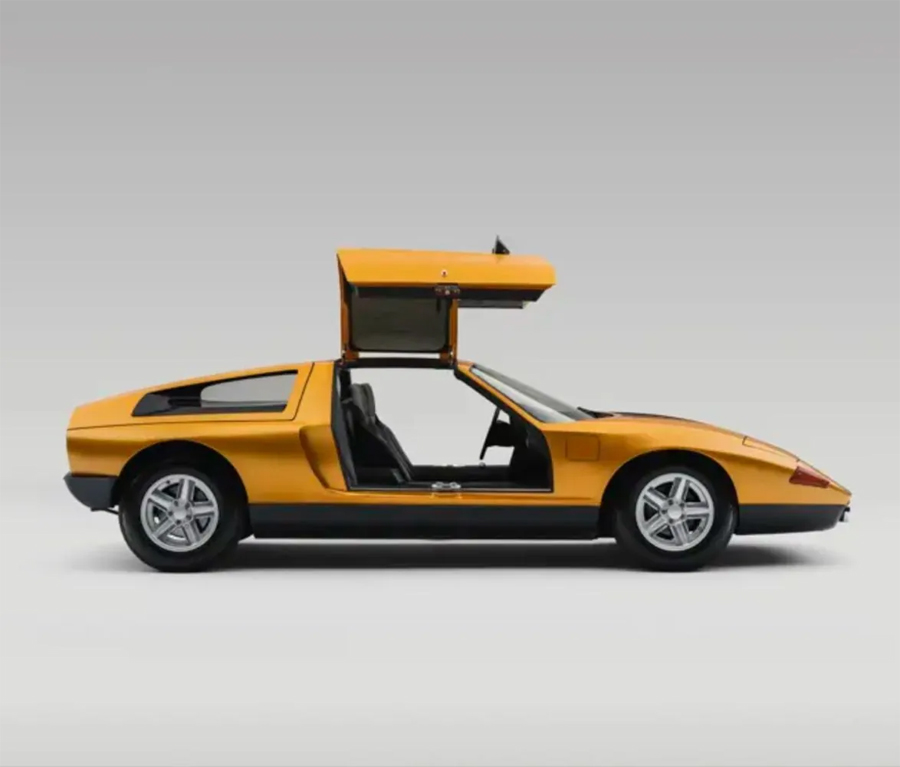
The C 111-II looks like something from a science-fiction film of its time. Its low, wedge-shaped fiberglass body, pop-up headlights and iconic gullwing doors gave it a futuristic appearance that was radically different from the production cars of the early 1970s. Finished in the distinctive Weissherbst metallic orange, this example pairs its dramatic exterior with a gray-and-white houndstooth interior.
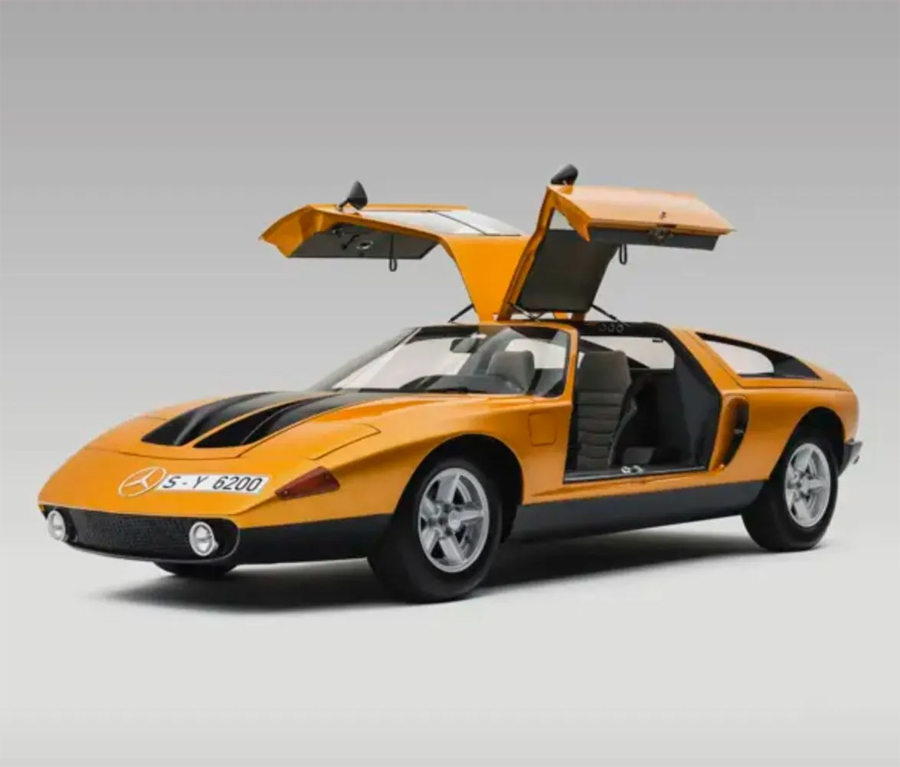
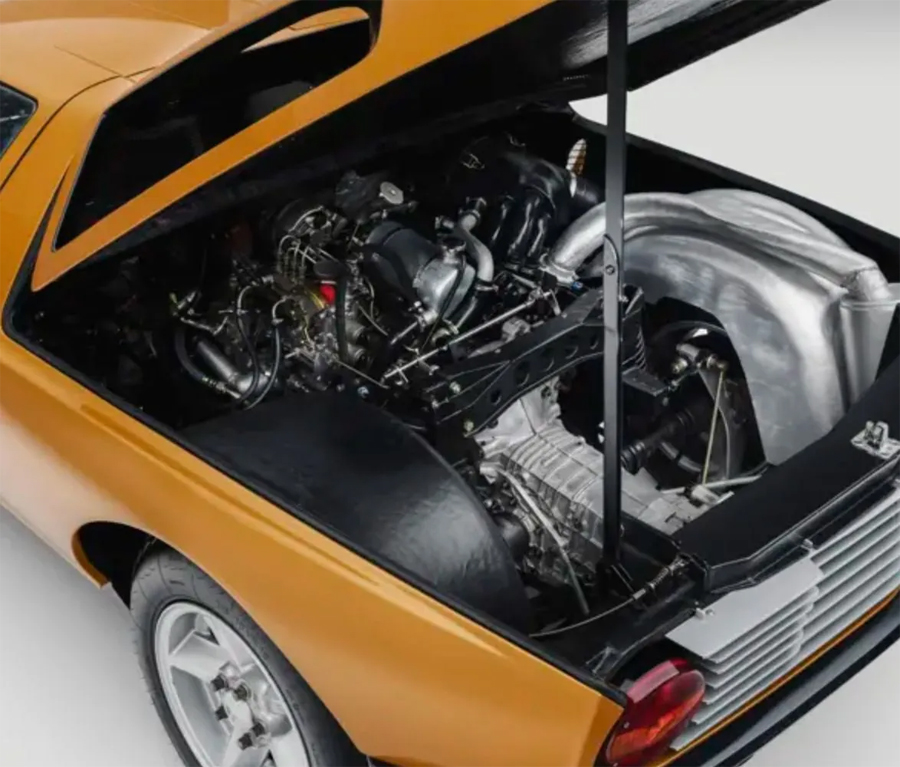
Its engineering was just as unusual. Instead of a conventional piston engine, the C 111-II uses a mid-mounted 2.4-liter four-rotor Wankel engine with Bosch direct fuel injection. Producing 350 horsepower and revving to 9,000 rpm, the compact rotary unit sends power through a five-speed ZF manual transmission. The car weighs just 1,240 kg and was capable of reaching 300 km/h, with a claimed 0–100 km/h time of 4.8 seconds. Those figures made it one of the most impressive experimental sports cars of its era.
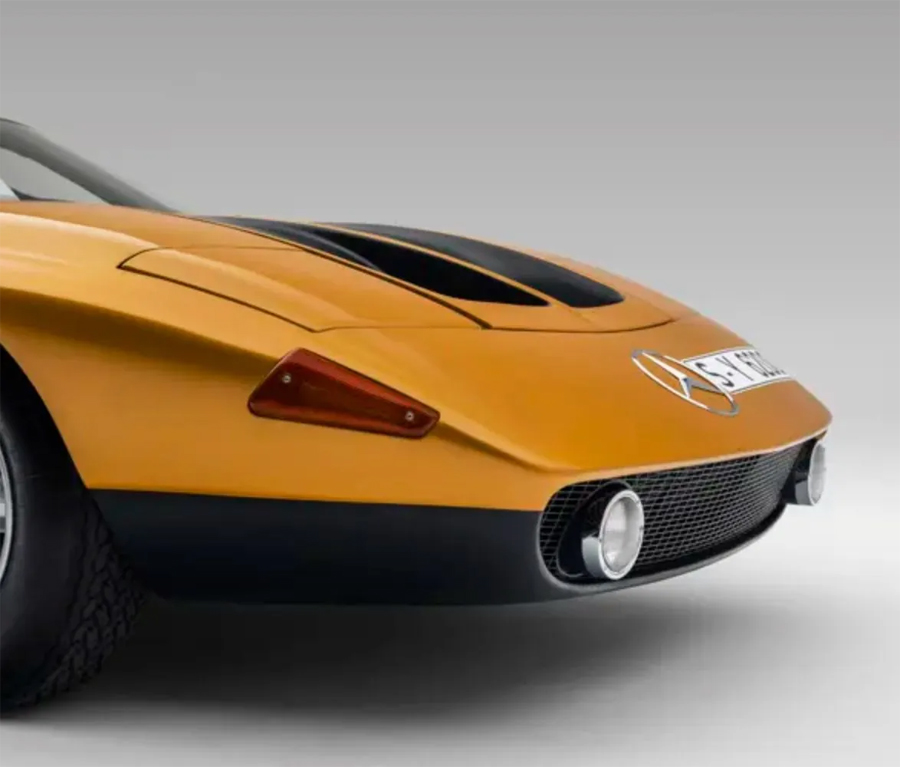
Car 33 was more than a display piece. Registered as S-Y 6200, it served as a working test vehicle, taking part in fuel system experiments, temperature measurements and driving sessions at the Hockenheimring. It also became an ambassador for the C 111 project. Conductor Herbert von Karajan was introduced to the car in 1971, and it appeared in the first German edition of Playboy in 1972. In 1975, it joined Mercedes-Benz’s own vehicle collection, where it remained for decades.
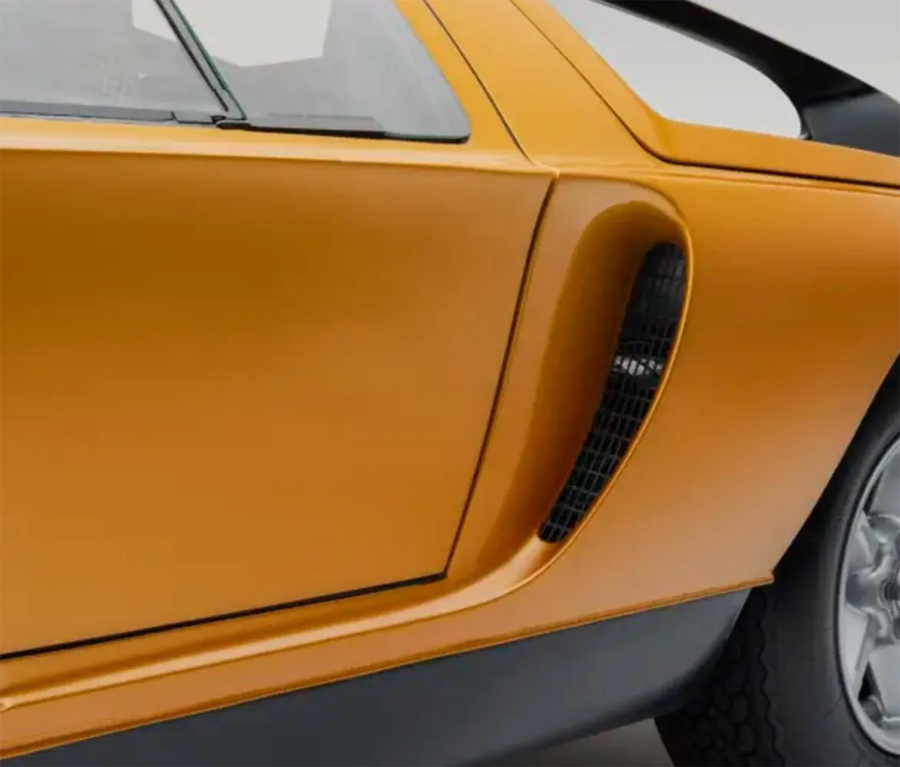
The car was carefully returned to running condition by the Mercedes-Benz Classic Center in 2024. The restoration preserved the original patina of its exterior and interior while the powertrain was thoroughly overhauled. It subsequently appeared at Pebble Beach and Silverstone, where Mercedes-AMG driver George Russell took it onto the circuit. Its odometer showed just 24,766 kilometers when photographed in October 2026.
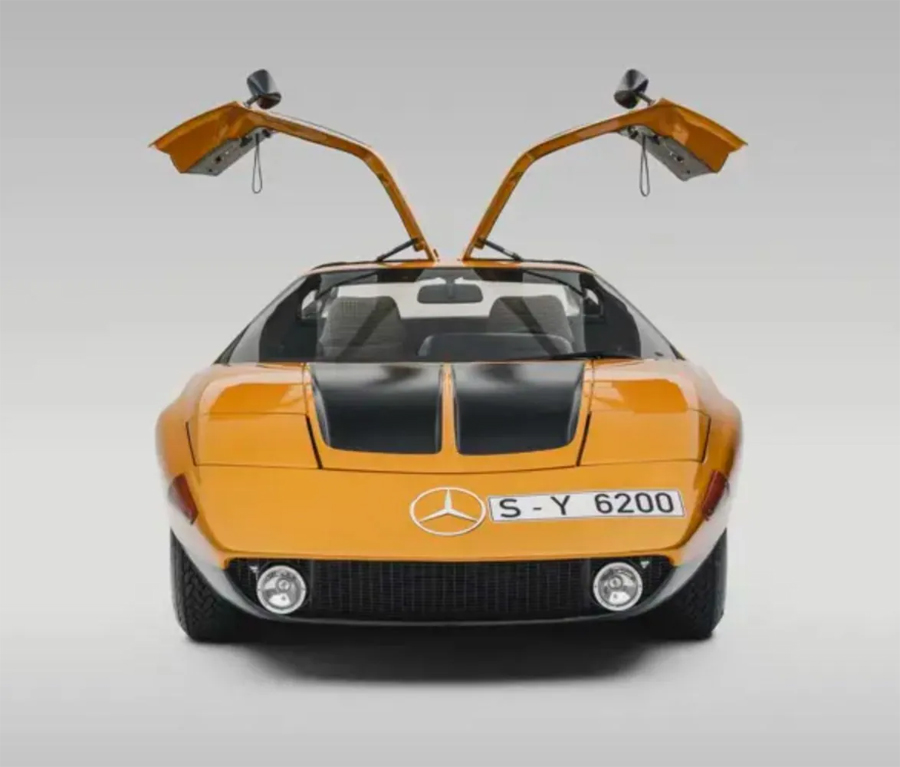
Mercedes-Benz built only 17 C 111 prototypes, and 13 examples survive today. None had previously been sold outside the company’s ownership. The auction estimate exceeds €25 million, with proceeds going toward the Mercedes-Benz Museum 2.0 project in Stuttgart, including the development of its digital presence.
The C 111-II was never intended to remain a museum curiosity. It was a rolling laboratory for technologies that Mercedes-Benz hoped could shape the future of performance cars. More than 50 years later, its combination of radical design, rotary-engine technology and an extraordinary history makes Car 33 one of the most significant Mercedes-Benz prototypes ever offered to private collectors. And be sure to check the most beatiful cars ever.