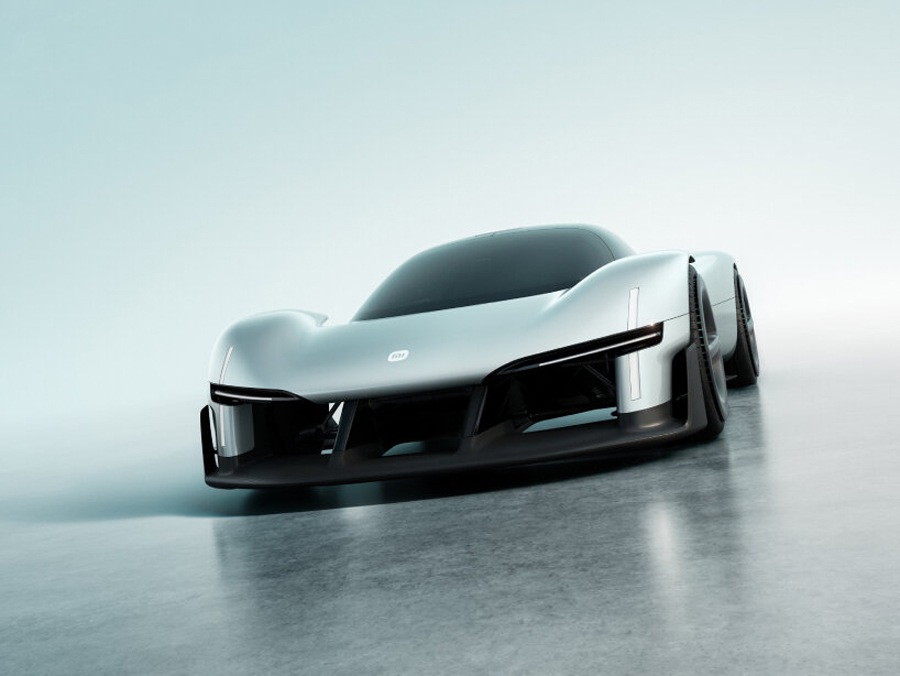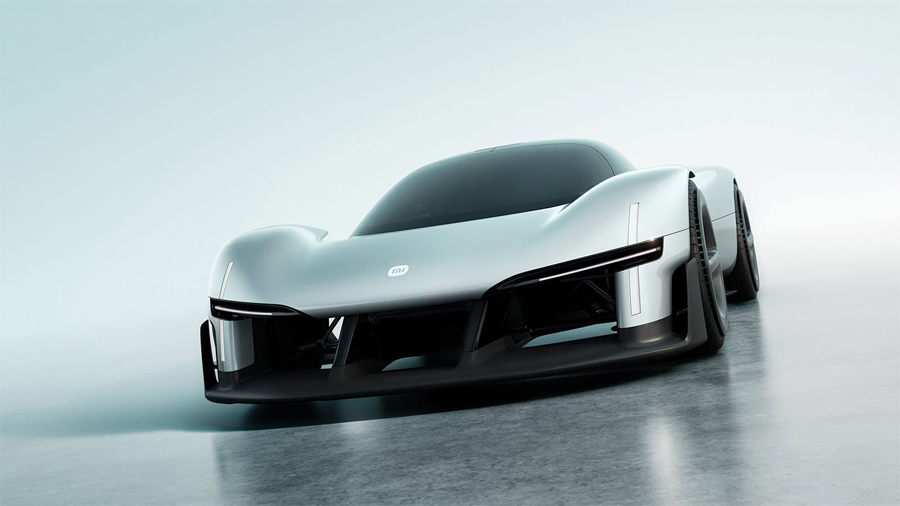
The latest concept from Xiaomi arrives from an unusual direction for the brand. Known globally for smartphones and consumer electronics, the company has increasingly expanded its ambitions into mobility and design. The new Xiaomi Vision Gran Turismo shows how far those ambitions might stretch.
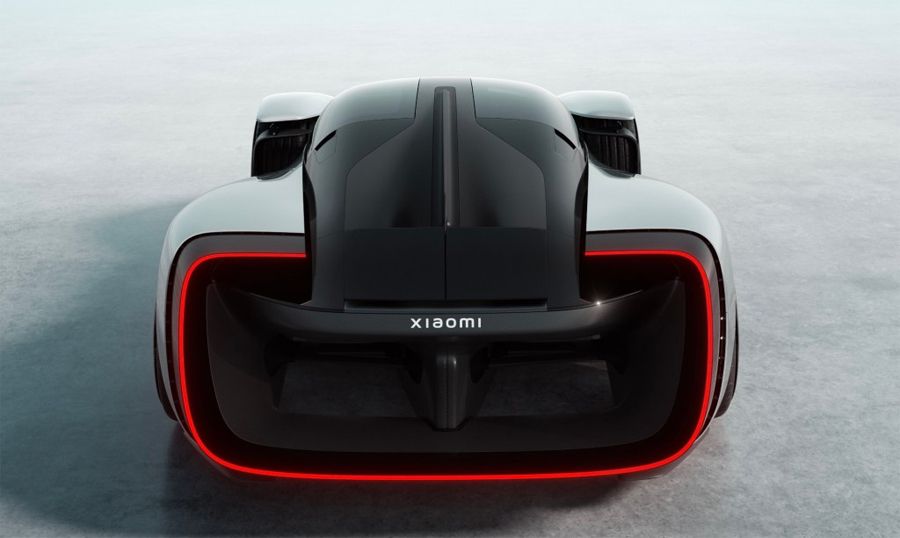
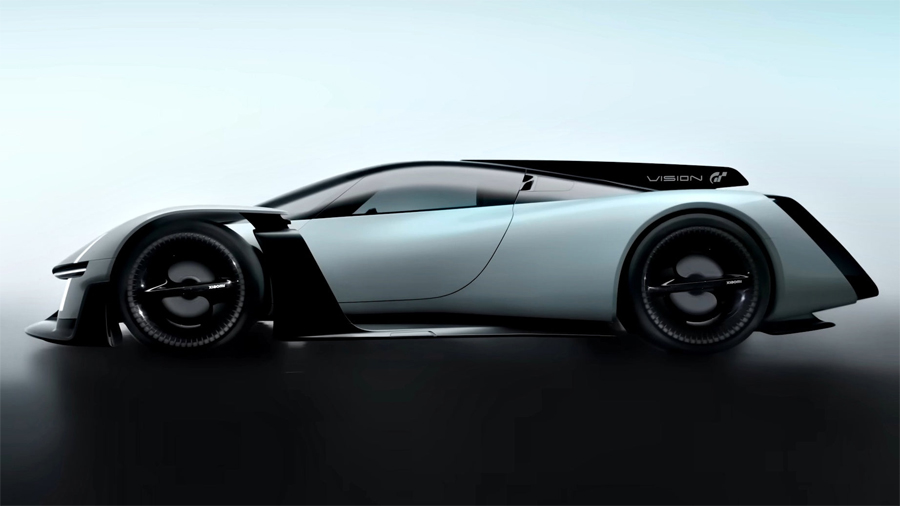
Created collaboratively by Xiaomi’s design studios in Munich, Beijing, and Shanghai, the project explores a different interpretation of hypercar aerodynamics. Instead of relying on aggressive wings, spoilers, and visible downforce devices, the concept takes a cleaner path. The entire vehicle is shaped like a teardrop, guiding air through the body rather than pushing it away.
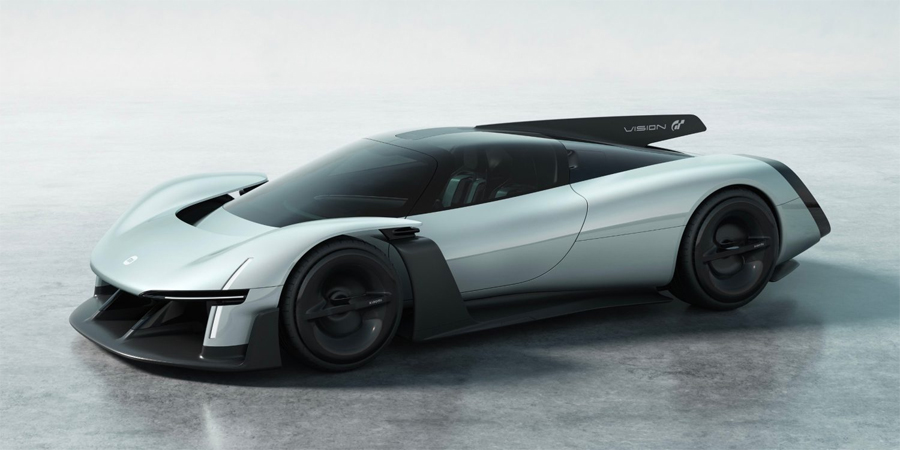
This approach allows the exterior to remain almost sculptural in its simplicity. Air enters through carefully positioned openings at the front of the vehicle. Once inside, it travels through internal channels integrated into the chassis before exiting at the rear. The airflow becomes part of the structure itself, quietly stabilizing the car while reducing aerodynamic drag.
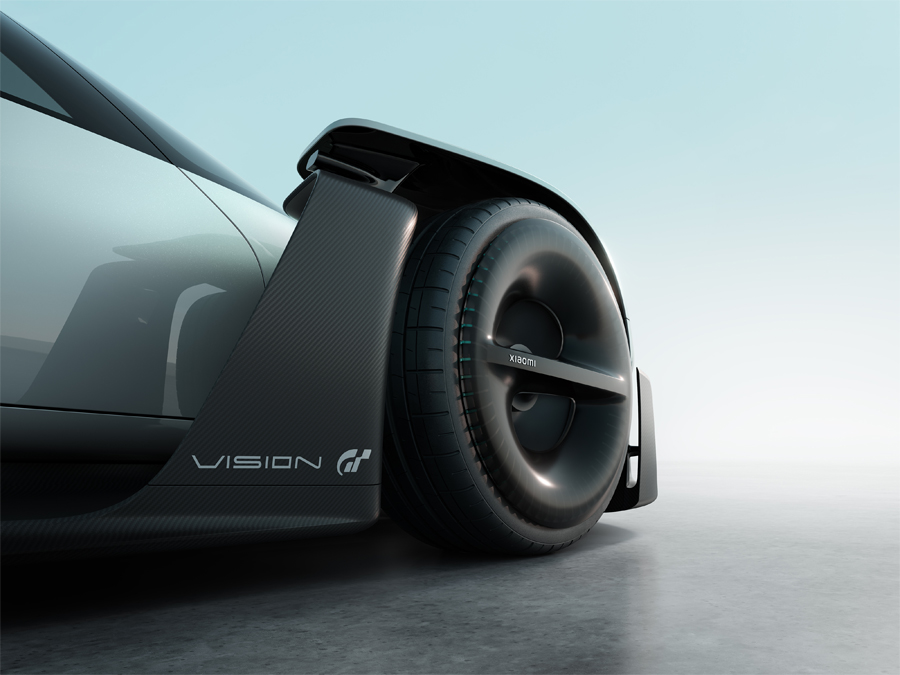
The wheels introduce another unusual engineering idea. Each wheel is surrounded by a stationary aerodynamic cover fitted with cooling fins. A magnetic system keeps the cover perfectly still while the wheel rotates inside it. The effect resembles a turbine housing more than a conventional wheel arch, reducing turbulence while directing air toward the brakes and cooling systems.
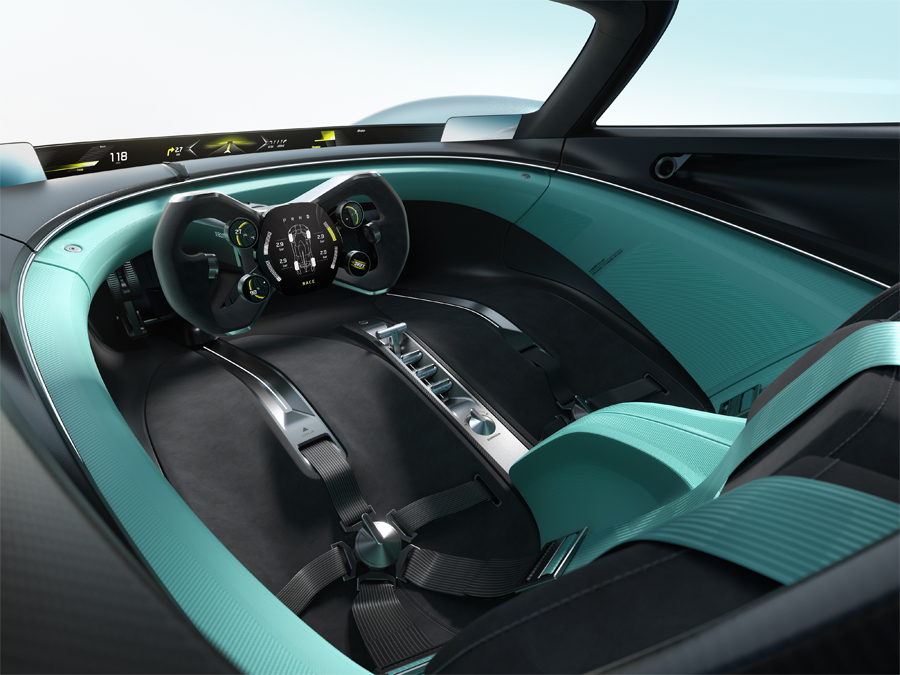
Inside the cabin, Xiaomi abandoned the traditional separation between seat, dashboard, and doors. The cockpit, called the “Sofa Racer,” forms a continuous loop that wraps around the driver. Instead of rigid upholstery, the seating surface uses a 3D-knit fabric structure that allows air to circulate through the material itself. This design reduces heat buildup and improves comfort during extended driving sessions.
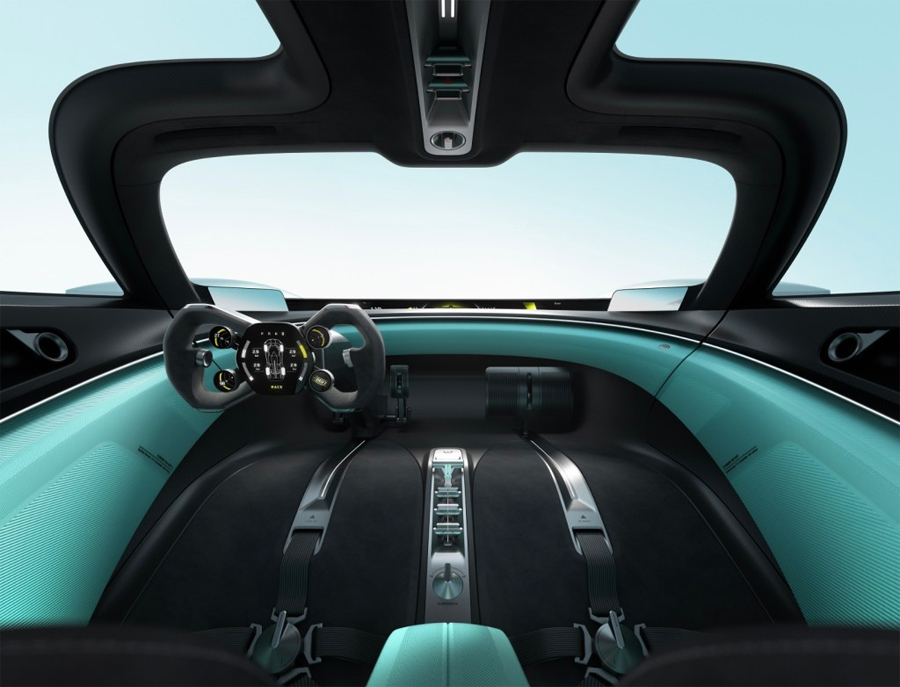
The result is an interior that feels closer to a piece of futuristic furniture than a conventional racing cockpit. Every surface flows into the next, creating a sense that the driver is suspended within the car rather than sitting inside a compartment.
Unlike many concept vehicles that remain static design exercises, the Vision Gran Turismo exists in two forms. Xiaomi produced a full-scale physical model to demonstrate the design language and aerodynamic architecture. At the same time, the car appears as a fully drivable vehicle within the Gran Turismo universe.
That digital version allows players to experience the concept’s engineering ideas in motion. From the living room, drivers can push the car through virtual circuits and experience how its unusual aerodynamic philosophy might behave at speed.
For Xiaomi, the Vision Gran Turismo serves as more than a showpiece. It reflects the company’s growing interest in mobility design and its willingness to experiment across industries. The project blends automotive thinking with digital simulation, advanced materials, and consumer technology culture.
Even if the hypercar never reaches production roads, the concept demonstrates how technology companies are beginning to approach automotive design from a different angle. Instead of adding more visible performance hardware, Xiaomi’s Vision Gran Turismo focuses on airflow, integration, and simplicity. In doing so, it offers a glimpse of how future vehicles might combine digital engineering with sculptural form.