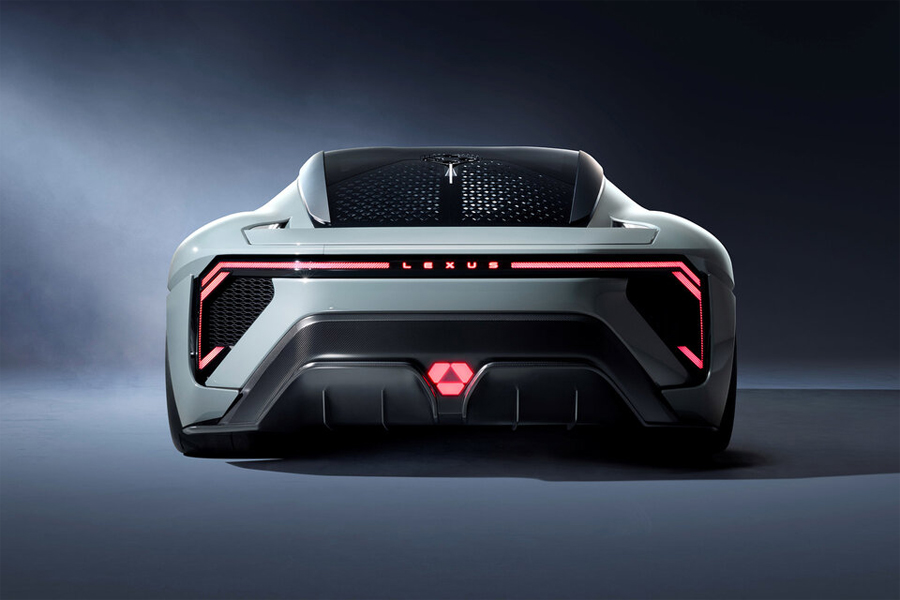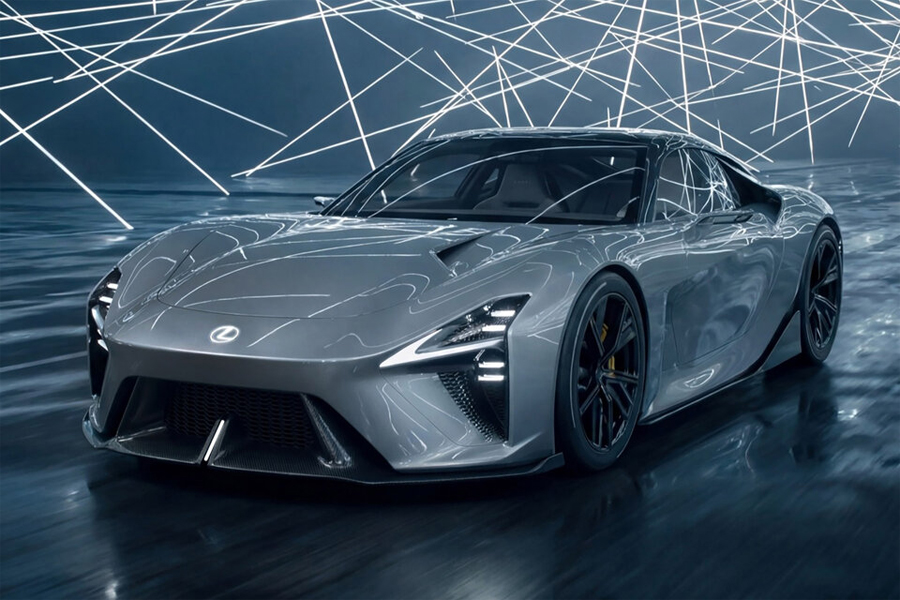
The return of the LFA name carries a different kind of weight this time. Instead of a screaming V10, Lexus presents a vision shaped by electrification, lightweight engineering, and a renewed focus on driver connection. The LFA Concept EV grows out of the same development stream as Toyota Gazoo Racing’s GR GT and GR GT3 projects, which gives the car a serious performance pedigree before any specifications are even announced.
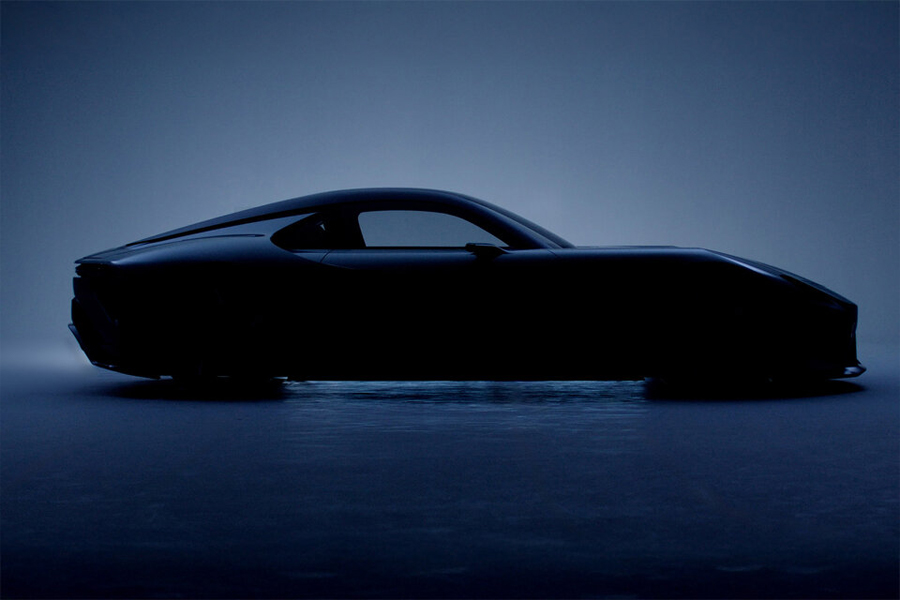
At the core of this concept car is a high-rigidity all-aluminum body frame. Using aluminum at this scale is a strategic response to the unavoidable mass of modern battery packs. Lexus wants an electric sports car that still feels agile, confident, and precise, and that ambition starts with weight control. The bodywork that surrounds the structure is clean and sculpted, with long, uninterrupted lines and a low, planted stance. The proportions echo classic front-engine performance cars while embracing the freedom of EV packaging, where the traditional constraints of engine placement no longer apply.
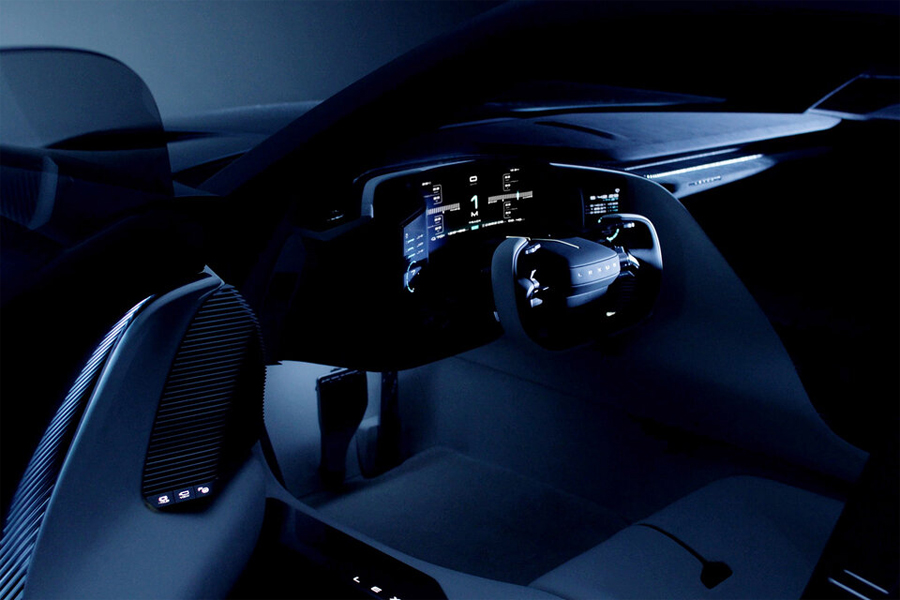
Inside the cabin, Lexus pushes the idea of a driver-first environment even further. The interior strips away distraction and focuses on the essentials. Instead of displaying a sea of digital surfaces, everything is arranged to support instinctive operation. The most striking element is the steering wheel, designed to allow full cornering rotation without re-gripping. Lexus shaped its contours and control layout around the idea that the driver’s hands should never leave the wheel, and their eyes should never leave the road. Buttons and switchgear are positioned for blind operation, turning the cockpit into something that feels closer to a precision instrument than a conventional car interior.
The technical details remain intentionally vague, but the philosophy is obvious. The LFA Concept EV is not meant to chase numbers or headline-grabbing horsepower claims. Instead, the car explores how an electric platform can deliver emotional performance. Lower center of gravity, near-instant torque response, weight sharpness from the aluminum frame, aerodynamic purity, and a cockpit engineered for total focus. These ingredients hint at a future production model built around balance and feel rather than brute force.
Lexus also uses this concept to communicate something more symbolic. The original LFA was never about mass production or profitability. It existed to prove what Lexus engineering could achieve when freed from ordinary constraints. The new LFA Concept EV attempts to carry that legacy into an era defined by silence rather than sound. Without the visceral drama of a combustion engine, the emotion must come from precision, responsiveness, and the sense that the car amplifies the driver’s intentions.
The concept stands as a statement that electrification doesn’t have to dilute the soul of a sports car. Instead, it can reshape it. Whether this vehicle reaches production is still unknown, but the intent is clear. Lexus is preparing the foundation for an electric flagship that does not imitate the past, yet honors it through craftsmanship, proportion, and mechanical discipline. If the final car follows the spirit of this concept, the LFA name may soon represent not the end of an era, but the beginning of a new one.